

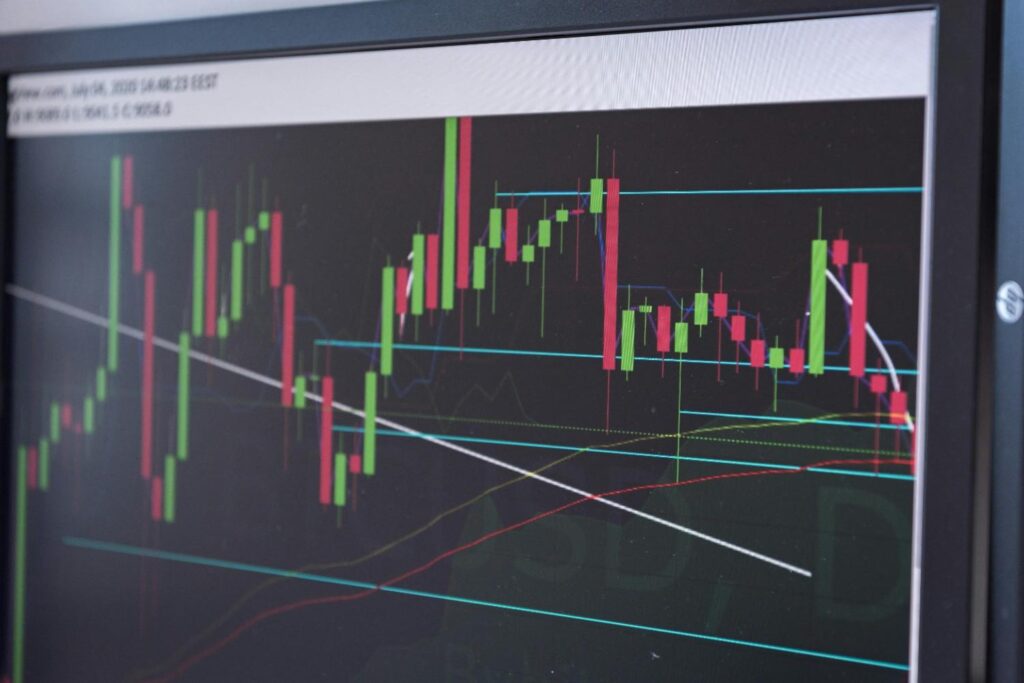
Automation isn’t some distant dream in the world of trading anymore. Right now, advanced forex robots and algorithmic strategies are quietly taking over. They’re not just speeding up trades: They’re changing the way people think about risk, discipline and even what it means to be a trader. Markets like currencies, commodities and crypto are all feeling the impact.
Walk into any trading forum these days and you’ll see it. People are debating algorithms, not just talking about gut feelings. Screens that used to show basic charts now run layers of automated strategies, real-time analytics and decision engines that never sleep. Nowhere is this shift more obvious than in forex. This market moves trillions of dollars each day. It’s massive, it’s fast and it’s brutal. Trying to keep up with global price swings using only human instincts? Good luck. Most people can’t match the speed or precision the market demands.
That’s why automation has become such a big deal. Forex robots, sometimes you’ll hear them called Expert Advisors or just trading bots, do the heavy lifting. They scan the market, spot opportunities and execute trades automatically. When you add in modern algorithmic strategies, these systems run with discipline and speed that leave even the best human traders in the dust.
And it’s not just for the Wall Street elite anymore. Automation has become way more accessible. Retail traders, crypto fans and professional investors all want in. They’re looking to algorithms to help them handle wild markets and cut through the noise.
Algorithmic trading takes center stage
Algorithmic trading isn’t some brand-new invention. Big banks and hedge funds have used it for decades. The real change? Now anyone can do it. Platforms like MetaTrader 4 opened the floodgates. Suddenly, anyone with a decent computer and a bit of curiosity could run an advanced forex robot system, and tools that once belonged to massive institutions are now sitting on home desktops.
At its core, algorithmic trading means following a set of rules. These rules might use technical indicators, price patterns, volatility or even big-picture economic news.
Picture it: An algorithm buys when a short-term moving average crosses above a long-term one. It sells when volatility explodes past a certain point. It closes trades the second risk limits are hit. Once you set the rules, the system just watches the market. When the moment comes, it acts instantly. In forex, where opportunities can vanish in seconds, that kind of speed is priceless.
What makes a forex robot “advanced”?
Not all robots are created equal. The early ones were pretty basic, just simple scripts chasing one or two signals. Today’s advanced systems are on another level. A real advanced forex robot stacks up several layers of analysis and logic. Instead of just following one indicator, modern bots blend everything from momentum and trend strength to volatility and trading volume. It’s a much deeper approach.
They’re also smart about adapting. The forex market during the London morning rush is nothing like the late-night Asian session. Advanced bots know this. They tweak their strategies depending on what’s happening in the market.
And risk? That’s baked in, not an afterthought. Sophisticated robots handle position sizes, set stop-losses and control how often they trade, all to protect your money. This matters even more when you’re dealing with wild assets like gold or crypto-linked currencies. In the end, automation isn’t just making trading faster. It’s changing the whole game; who plays, how they play and what’s possible.
Why automated trading loves gold
Gold always grabs attention. It sits right in the middle of commodities, currencies and those big-picture economic shifts everyone’s talking about.
For traders running algorithms, gold checks a lot of boxes: It’s liquid, it trends well and it gets especially lively during global news events. Plus, it tends to move in sync, or sometimes in opposition, with currencies like the US dollar. All of this makes gold a favorite playground for automated trading strategies.
Some trading platforms go all-in on this idea and build tools just for gold. Take GigaPips, for example. It’s an Expert Advisor for MetaTrader 4, built with gold trading in mind. It doesn’t just run strategies; it gives traders resources to get smarter about risk and manage trades in unpredictable markets. Inside that world, you’ll find advanced forex robots that blend hard data with disciplined trade management, so traders can tackle those wild price swings with a bit more confidence.
Why speed really matters
Speed is where automation blows people out of the water. Humans need to check charts, double-check signals and then actually click to place a trade. Even the fastest hands can take a few seconds. Algorithms? They fire off trades in milliseconds. In markets that move fast, that gap is huge. Sometimes a few pips is the difference between a win and a loss.
Automated systems never sleep. They watch dozens of pairs at once, jump on signals the moment they hit and tweak targets or stops instantly. No way a human can keep up.
Trading without the drama
Ask any seasoned trader what trips them up most and odds are they’ll tell you: Emotions. It’s not the chart reading. It’s fear, greed or just plain impatience; these get in the way, even when the strategy makes sense. Maybe they bail out of a good trade too soon. Or they hang onto a losing one, hoping for a miracle.
Algorithms don’t care. Once you set the rules, the robot sticks to them. If the market hits a stop-loss, the trade closes. If a signal pops up, it takes the trade. No hesitation, no second-guessing. That kind of discipline can make a big difference over time.
Sure, automation won’t guarantee you profits. But it does force you to stick to the plan; something a lot of people struggle with on their own.
Building smarter strategies with data
Here’s another big win for automated trading: Backtesting. You can run your strategy through years of old data to see how it would have done. It’s a reality check.
Backtesting shows you if your idea actually holds up through different market cycles, how it handles wild swings and what kind of losing streaks you might hit. Done right, it gives you a much clearer sense of both the strengths and the weak spots.
Modern platforms can crunch through years of price action in minutes. You get a chance to tweak your approach and smooth out the rough edges before you ever risk real money.
The intersection of forex, crypto and automated strategies
While this article zooms in on forex, automated trading’s reach goes way past just currencies. Crypto traders especially have jumped on the automation train. With crypto markets running non-stop, automation isn’t just handy, it’s almost a must. Unlike forex, which sleeps over the weekend, crypto never takes a break. You can wake up at 3 a.m. and find a new opportunity waiting.
A lot of traders now mix things up, running hybrid strategies that pull together forex pairs, gold and other metals and crypto assets like Bitcoin or Ethereum. Their algorithmic systems watch all these markets at once, spotting patterns or correlations a human might miss. If you’re trading across several assets, automation gives you a real edge.
Risk management is the backbone of automated trading
Even the smartest algorithm falls apart without solid risk management. Markets love surprises, think sudden news, geopolitical shake-ups or unexpected economic reports. That’s why modern automated systems put capital protection front and center. Some of the essentials?
Dynamic position sizing: The system tweaks how much to risk on each trade, depending on your account balance or current market volatility.
Stop-loss automation: Every trade comes with set exit points, so you’re not left hanging if things turn south.
Trade frequency controls: Advanced platforms let you cap how many trades run in a set time, so you don’t end up overtrading in wild markets.
Platforms that really care about structure usually offer educational content too, making sure traders know how these controls actually work.
The learning curve of algorithmic trading
Automation isn’t some magic button. If you don’t understand how markets move, even the best robot won’t save you. Running an algorithm blind is like driving a car without knowing where the brakes are.
The traders who really win with automation take time to learn technical analysis, market structure, risk management and how to fine-tune their strategies. Automation becomes an extension of what they know, not a replacement for it.
Bottom line? The best results come when humans and machines work together.
The future of forex robot technology
Looking forward, automation in trading only gets smarter. A few trends are already changing the game:
Artificial intelligence: Now robots are starting to chew through huge piles of data; economic reports, social media and even market sentiment.
Cloud-based trading: More traders are moving their systems to the cloud, so their strategies run all day, every day, without interruption.
Cross-market analytics: New tools are starting to analyze forex, commodities, stocks and crypto together, picking up on big-picture trends that cross over between assets.
As all this new tech grows, automated trading will only get more powerful and easier to use. It’s an exciting time to be in the game.
Automation is becoming the new trading standard
Financial markets aren’t what they used to be. Technology sits right at the center now, shaping how traders spot opportunities, handle risk and pull the trigger on trades. Take advanced forex robots, for example. These systems blend smart algorithms with lightning-fast execution and clear risk controls. The result? Traders get a shot at more consistency and efficiency, something everyone’s chasing.
It’s not just the big institutions. Individual investors are jumping in too, using platforms like MetaTrader 4 to try out automated strategies. The use of these tools just keeps picking up speed. If you’re into trading wild assets like gold, there are specialized systems out there, think GigaPips, that show how automation isn’t one-size-fits-all. These tools can be tweaked to fit different markets, and often come with guides to help you actually understand what’s going on behind the curtain.
However, automation doesn’t mean you can skip learning the basics or sharpening your skills. What it really does is help you keep up as markets get messier and more complicated. Now, with forex, commodities and crypto all mixing together, algorithmic strategies matter more than ever.




