
ChatGPT expects Bitcoin (BTC) price to more than double by the end of 2026, potentially sending the cryptocurrency to a fresh all-time high (ATH).
On July 27, ChatGPT’s probability-weighted forecast placed Bitcoin price at $145,000 by the end of this year. With BTC price trading at around $65,060 at the time of writing, the OpenAI-backed Large Language Model (LLM) suggests a potential 122% upside.
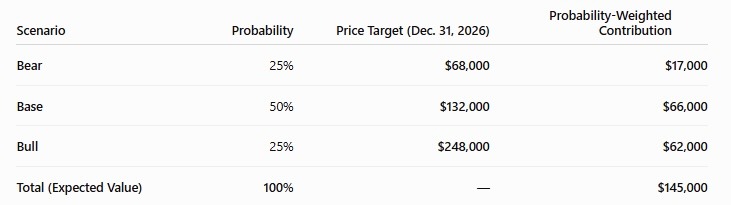
The AI’s BTC price prediction for the end of the second half of 2026 was based on a 25% probability of a bull-case target of $248,000. The forecast was also based on a 50% chance of a base case target of $132,000 and a 25% likelihood of a bear case scenario of $68,000.
Why is ChatGPT bullish on Bitcoin price by end of year?
ChatGPT set its $145,000 probability-weighted Bitcoin price forecast based on several drivers. At the top of the list, the AI pointed to continued net inflows into spot BTC ETFs (Exchange-Traded Funds).
Additionally, it expects monetary policies from major central banks to also influence the price target. Furthermore, Bitcoin and other risk assets benefit when major central banks lower interest rates, due to propped-up liquidity.
Amid the post-halving supply effect, ChatGPT argued that its increased adoption as a treasury management tool could boost its bullish target. Another major aspect likely to impact ChatGPT’s target includes the regulatory environment.
Moreover, a potential passage of the CLARITY Act – a United States bill that would create clear rules for the cryptocurrency industry – in 2026 could boost Bitcoin adoption.
BTC price analysis
Although BTC price posted four consecutive bullish weekly candlesticks, it traded at approximately $65,060, over 25% below its 2026 peak of slightly above $97,001. During the past 24 hours, Bitcoin price was up 1%, with its traded volume at roughly $21.34 billion.

ChatGPT’s base and bull cases both point to a new all-time high by year-end. However, its $68,000 bear case shows that the outlook remains highly dependent on ETF demand, monetary conditions, regulation, and broader market sentiment.