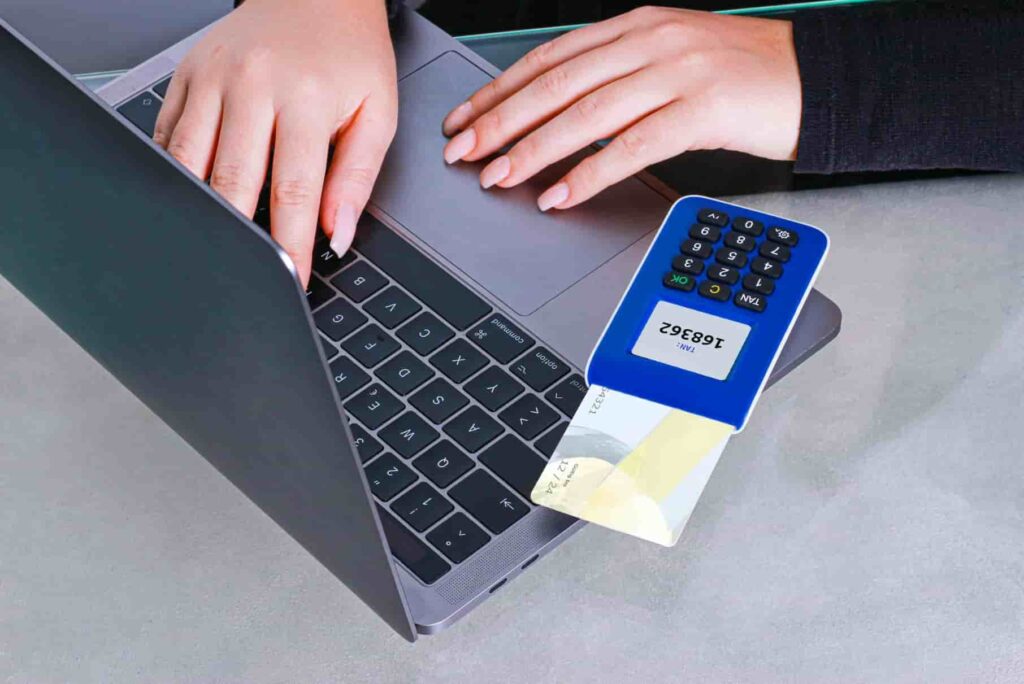

Have you ever checked your bank balance on your phone while standing in line for coffee and wondered how people managed money before apps existed? Not long ago, paying bills meant envelopes, stamps, and a calendar reminder taped to the fridge. Today, the internet has turned personal finance into something you can manage from your couch. Online banking is no longer just convenient. It is quickly becoming the main way people control their money, especially as digital payments, remote work, and economic uncertainty push people to pay closer attention to their finances.
Banking Without the Bank Building
Managing finances online removes the biggest obstacle traditional banking created: location. For decades, people had to plan their day around a bank branch’s operating hours. Now your financial dashboard sits in your pocket, ready whenever you need it.
This shift matters in a world where schedules are less predictable. Many people work remotely, juggle multiple side gigs, or run small online businesses. Online banking allows someone to check balances, transfer money, or deposit a check with a phone camera while commuting, waiting for a meeting, or even watching a game at home.
Lower Fees and Smarter Account Choices
The rise of digital banking has also sparked more competition among financial institutions. Because online banks operate without expensive physical branches, they often pass those savings to customers through lower fees and better interest rates.
A common example is the availability of a free online checking account, which many digital banks now offer with no monthly maintenance fee and minimal balance requirements. For people trying to manage rising living costs in cities across the United States, that difference can matter. When inflation headlines dominate the news and groceries seem to cost more every month, eliminating unnecessary banking fees becomes a small but meaningful win.
Real-Time Spending Awareness
One of the biggest advantages of managing finances online is the immediate visibility it provides. Instead of waiting for a monthly statement, you can see every purchase the moment it happens. That kind of transparency changes behavior.
Think about how fitness trackers encourage people to move more by showing step counts in real time. Online banking works the same way with spending. When you see three food delivery charges appear in one evening, it becomes easier to pause and rethink habits. Small signals like that help people stay aware of where their money actually goes.
Built-In Budgeting Tools
Many banking apps now include budgeting features that once required separate software. These tools automatically categorize spending, track monthly expenses, and display charts that show patterns over time.
For someone who has never built a formal budget, this automation removes a lot of friction. Instead of building spreadsheets from scratch, the app quietly organizes purchases into categories like groceries, transportation, or entertainment. Over time, those insights help people notice trends and adjust behavior before small spending habits turn into bigger financial problems.
Financial Access for People in Rural Areas
For decades, people living in rural communities often faced limited access to banking services. Small towns sometimes had only one branch, and reaching it could require a long drive that ate up time and fuel. When the nearest bank closes early or sits miles away, even simple tasks like depositing a check or transferring funds can become inconvenient.
Online financial tools remove that barrier entirely. With a smartphone or laptop, people can manage accounts, pay bills, and move money without leaving home. This has quietly expanded financial access across many parts of the country where traditional banking options are shrinking. As more regional banks consolidate or close branches, digital banking ensures people still have reliable financial services. It helps individuals manage their money efficiently while giving communities that once lacked convenient banking access a practical alternative.
Security That Keeps Improving
Some people still hesitate to bank online because of security concerns, which is understandable. News about data breaches appears often enough to make anyone cautious. Yet the security tools used by banks have improved dramatically over the past decade.
Two-factor authentication, biometric login, and instant fraud alerts now add layers of protection that traditional banking never offered. If a suspicious purchase appears, many apps notify users immediately and allow them to freeze their cards in seconds. That kind of control makes financial protection far more proactive than waiting for a statement to arrive weeks later.
Financial Planning Becomes More Accessible
Online financial tools have also made long-term planning easier. Investment platforms, savings calculators, and retirement trackers now sit alongside regular banking features in many apps.
This matters at a time when younger workers often feel uncertain about retirement. With pensions disappearing and economic headlines filled with warnings about rising costs, digital planning tools help people understand how small savings today can grow over time. Seeing projections in simple charts can motivate someone to increase a monthly contribution or adjust spending habits earlier in life.
Faster Transfers and Digital Payments
The speed of modern online financial systems has transformed how people move money. Transactions that once required writing checks, waiting for processing, or paying expensive wire fees can now happen almost instantly through mobile apps and peer-to-peer payment platforms.
This convenience plays out in everyday situations. Splitting a dinner bill with friends, paying a babysitter, or sending money to a family member can take seconds rather than days. Businesses also benefit from faster payments that improve cash flow and reduce delays in receiving funds. As digital payments continue to grow across the economy, quick transfers have become an expectation rather than a luxury. The ability to move money rapidly helps people respond to unexpected expenses and manage financial obligations more smoothly without relying on outdated payment methods.
Convenience for Everyday Life
Beyond big financial decisions, online management simply makes everyday tasks easier. Paying rent, sending money to friends, and setting up automatic bill payments now takes only a few minutes.
Consider how quickly digital payments became normal during the pandemic. When businesses limited in-person contact, millions of people adopted online banking and payment apps for the first time. Many discovered they preferred it. Once you realize you can split a dinner bill or pay utilities without writing checks, the old methods start to feel unnecessarily complicated.
Greater Control During Economic Uncertainty
Recent economic shifts have made people more aware of how quickly financial situations can change. Inflation, fluctuating interest rates, and layoffs in major industries have pushed many households to monitor their spending more closely. Online financial tools provide the kind of visibility that helps people react quickly when circumstances shift.
Instead of waiting weeks for a paper statement, users can track balances, monitor subscriptions, and adjust spending in real time. If expenses begin rising faster than expected, it becomes easier to make quick adjustments such as pausing unnecessary purchases or transferring money into savings. This level of control can reduce financial stress during uncertain times. By giving individuals a clearer picture of their financial health, online banking allows them to make decisions with better information rather than reacting after problems have already developed.
Better Financial Habits Through Automation
Perhaps the most underrated benefit of online financial management is automation. Modern banking apps allow users to schedule transfers to savings accounts, set spending alerts, and automate recurring payments.
Automation helps people avoid common financial mistakes. Bills get paid on time, savings grow steadily, and late fees become far less common. Behavioral economists often talk about the power of small nudges, and automation is exactly that. When the system quietly moves money toward savings every month, people build stronger financial habits without needing constant discipline.
Clear Records for Taxes and Financial Tracking
Keeping organized financial records used to involve filing cabinets full of receipts and paper statements. Anyone who has tried to sort through months of paperwork during tax season understands how frustrating that process could become.
Online financial management replaces that clutter with searchable digital records that remain available whenever they are needed. Most banking platforms store transaction histories, monthly statements, and categorized spending data that can be accessed within seconds. This makes it easier to review expenses, track deductible purchases, and prepare accurate tax filings. Small business owners and freelancers especially benefit from having clear records that show income and expenses in one place. Instead of piecing together scattered receipts, users can download reports and review transactions quickly, saving time while maintaining a clearer picture of their financial activity throughout the year.
Managing money online does not solve every financial challenge. Budgets still require effort, and economic uncertainty will always influence personal decisions. Yet digital banking tools give people more visibility, flexibility, and control than previous generations ever had. When used thoughtfully, they transform everyday financial management from a stressful chore into something far more manageable and even empowering.
Featured image via Pexels.