
The concept of ‘tokenization’ has grabbed headlines on the internet quite heavily over the last couple of years. Still, the reality of the matter is that the real substance of it all truly begins once a token has been minted. In fact, a majority of tokenization projects stall as soon as their digital assets enter the chain, because creating the token is not the endgame or hardpart but building the market infrastructure around it is.
As things stand, very few platforms are built to run these assets in the real world across different jurisdictions, investor types, compliance regimes, reporting requirements, and liquidity pathways. Moreover, these operational necessities cannot be bolted on as afterthoughts, as they are essential from day one.
Data on the current state of tokenized assets underscores this split reality because while the concept of RWAs has evolved beyond theory, the numbers reveal a stark imbalance. Stablecoins, for instance, which are essentially tokenized cash, have achieved massive scale (around $300 billion market cap, accounting for roughly 94% of all tokenized assets). In contrast, all other categories of tokenized real-world assets (from securities to commodities) combined are estimated to be worth less than $20 billion.
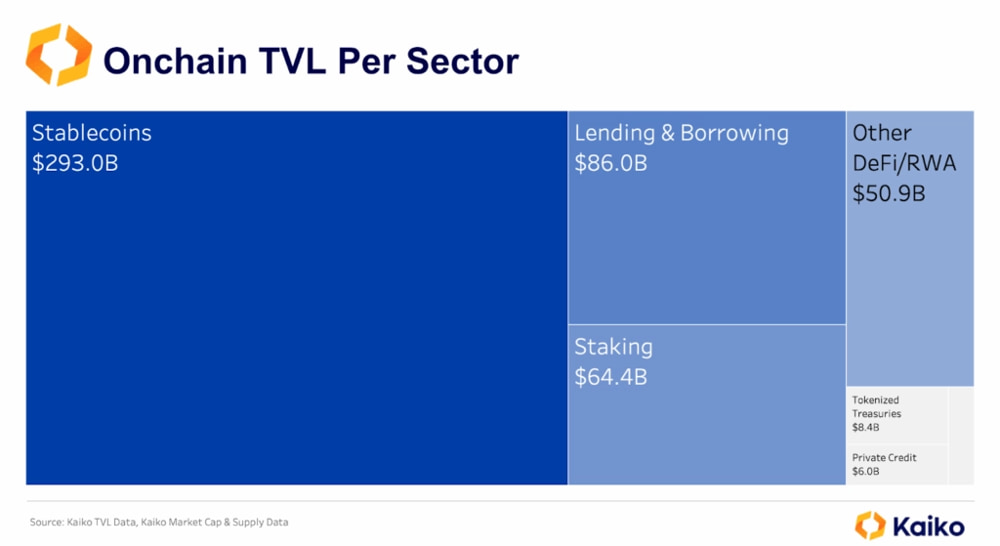
This disparity alone implies that outside of stablecoins, tokenization efforts have remained fragmented, illiquid, and far from self-sustaining.
Exploring the long game
Building out end-to-end market infrastructure for digital assets is not glamorous; however, this heavy lift has created a formidable competitive moat because anytime hype around a project has subsided in the past, what has remained is the quality of the underlying infrastructure.
Keeping this infrastructure-first philosophy at the fore from day one has been SAGINT, a company focused on designing a compliant exchange and settlement stack that digitizes the entire lifecycle of real-world assets (RWAs). By integrating strict governance and regulatory requirements (such as OECD due diligence and Dodd-Frank compliance) and blockchain traceability from day one, SAGINT ensures that any tokenized asset on its platform comes with built-in legitimacy.
In other words, the rails for trading, audit, and custody are laid at the same time as the token is minted, creating a seamless end-to-end infrastructure.
To elaborate, SAGINT’s core offerings span the full spectrum needed to operationalize tokenized assets since on one side there is a digital asset exchange for secure, transparent trading of commodities and other assets (including services for tokenization and collateralization) and on the other, there are compliance and monitoring systems leveraging the power of the blockchain to ensure traceability and accountability (with special tools available for market surveillance, identity verification, and asset registry).
As a result, the platform can issue a token representing a real asset, track its provenance from origin to end-user, enforce compliance rules at each transfer, and facilitate its trading or collateralization, all within one integrated ecosystem.
This strategy of embedding trust and compliance into the architecture was recently made evident when the firm, in partnership with American Resources’ subsidiary ReElement, successfully minted the world’s first utility token for a refined critical mineral (neodymium oxide). Unlike many “tokenization” stunts that ended at issuance alone, this token was issued atop Sui’s L1, with each stage of the sourcing, processing, and refining cryptographically recorded to establish a tamper-resistant chain of custody.
The token itself was designed as an internal compliance and audit instrument, incorporating key data needed for U.S. defense acquisition regulations (DFARS) right into its digital DNA. In other words, SAGINT didn’t just create a digital asset; it created one that could immediately slot into a regulatory workflow, streamlining audits and ensuring the token could be trusted by manufacturers and government contractors from day one.
Similarly, the company also recently participated in the launch of the Kinshasa Mercantile Exchange (KME) in the Democratic Republic of Congo, a country with mineral wealth valued at an estimated $24 trillion. Here again, SAGINT’s digital asset infrastructure was deployed to transform the trading of DRC’s resources by tokenizing them with full supply chain compliance and transparency.
By partnering with the DRC government and local stakeholders, the firm has sought to turn raw commodities into secure digital assets, enabling the KME to list minerals on a transparent exchange and even auction mining concessions with blockchain-based oversight.
Looking ahead to a holistic tokenization ecosystem
From the outside looking in, when it comes to the rare earth elements sector, buyers have been willing to pay premiums of up to 45% for traceable, non-China-sourced materials, yet existing markets haven’t been able to support that demand due to missing traceability and compliance features. SAGINT’s solution addresses these bottlenecks directly, potentially breaking monopolies (or monopsonies) and restoring pricing power to producers via transparent markets.
It also anchors tokenized trades to the U.S. dollar and regulatory standards, aiming to strengthen economic security while enabling new liquidity for commodities. Therefore, as the crypto and traditional finance worlds continue to converge, the competitive entry barrier to the tokenization sector stands to be raised by those who have laid robust rails across the divide. Tokenization, in and of itself, isn’t a sustainable product strategy, but the competitive edge lies in engineering the market infrastructure where tokens can truly thrive, turning isolated on-chain assets into integrated parts of the global economy.
Featured image via Shutterstock.
Disclaimer: The content on this site should not be considered investment advice. Investing is speculative. When investing, your capital is at risk.