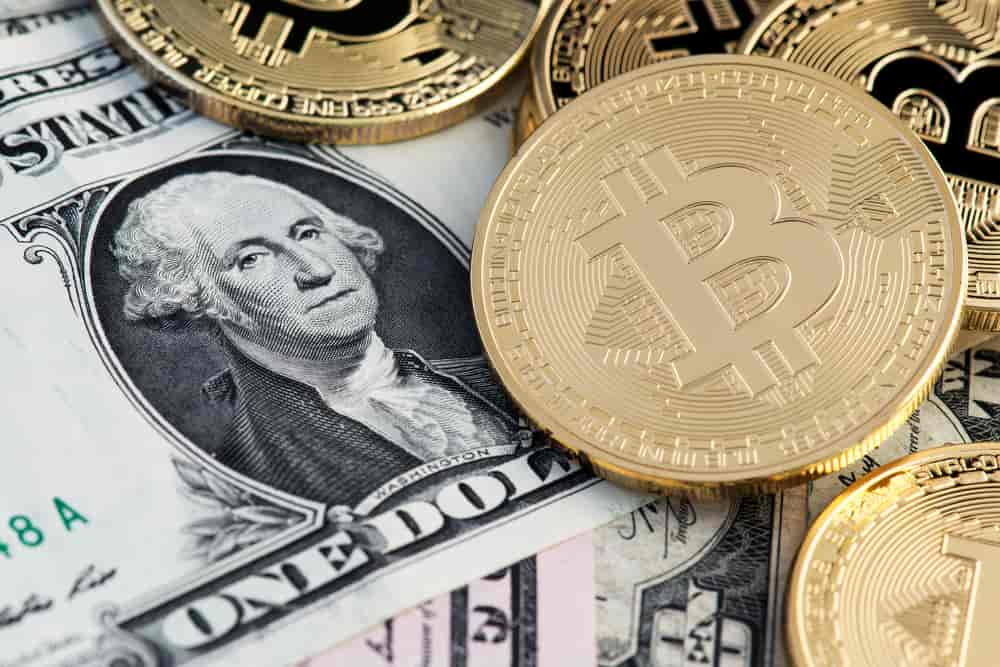

Many people who work in finance keep a small panel on their screen that, among other market numbers, shows the bitcoin price live as it updates through the day. It refreshes constantly, often faster than anything else they monitor. It sits next to a stock chart or a currency pair and updates whether someone clicks it or not. The number moves on its own and shows how a part of the market is reacting right now. It is not a guide or a prediction. It is simply a quick read on how sentiment may be shifting at any given moment, which becomes important when conditions change before anyone has enough time to process what is happening.
Not long ago, this was not how things looked. Tracking live bitcoin movement required separate software and usually some prior interest in crypto. Most people in traditional finance did not follow it unless they had a specific reason to. That changed as digital asset data started appearing inside larger financial dashboards. Today, the live chart is everywhere. It shows up in apps used for regular trading, news sites and market terminals. Because it is visible in so many places, analysts end up seeing the number throughout the day, even when they do not go looking for it.
This greater visibility made bitcoin a regular part of market monitoring. Many analysts find the price useful because it reacts earlier than slower forms of reporting. When uncertainty builds, bitcoin often moves first. Stock markets may be closed, bond markets may be reacting slowly, or an official release may still be hours away. Bitcoin trades nonstop, so it can show changes in sentiment almost immediately. That speed has turned real-time bitcoin pricing into something like an early signal for anyone watching the wider financial environment.
Why Bitcoin’s Live Chart Has Entered Mainstream Market Analysis
Bitcoin tends to react before slower systems catch up. Binance Research reported that total crypto market capitalization slipped by about 1.7 percent in August 2025 after reaching earlier highs. The movement did not show up as one sharp drop. It shifted gradually through the month. Analysts who watched the live chart saw these changes unfold before monthly summaries explained the trend.
This is part of why real-time data has become a normal tool. Traditional reports follow fixed schedules and require time to put together. Markets do not wait. Prices react first and explanations arrive afterward. Real-time bitcoin data helps fill that gap by showing how people respond before official reporting provides context.
Another reason the live chart spread so widely is simple access. It is built into everyday finance tools. Analysts do not have to sign in to a separate account or learn a new interface. The chart is already there. Once a number is that easy to view, people begin to rely on it without really deciding to.
Bitcoin as a Quick Read on Market Mood
Bitcoin still makes up a large share of the digital asset market. Binance Research reported that Bitcoin held around 57.3 percent of the total crypto market value in August 2025. That gives the price an outsized influence when analysts want a quick sense of digital market mood. A steady chart often suggests there is not widespread concern. A sharp move, in either direction, usually means people are reacting to new information.
Bitcoin also responds to the same broad conditions that push traditional markets around. Shifts in liquidity, unexpected economic updates, or uncertainty around policy changes often appear in bitcoin’s chart before they show up elsewhere. Since bitcoin trades around the clock, analysts sometimes see reactions there long before markets with set hours reflect the same sentiment.
Another factor is its global reach. Bitcoin is held by people and institutions in many regions. Movement does not depend on one group alone. Analysts like this because it gives them a more balanced feel for what might be happening.
Why Analysts Also Watch Ethereum
Bitcoin does not show everything. Analysts often track Ethereum as well because it reflects different types of activity. Binance Research noted that Ethereum accounted for more than 14.2 percent of the total crypto market value in August 2025. Ethereum reacts to network use and application activity, which means its price can move for reasons unrelated to Bitcoin.
Watching the two charts side by side helps analysts see whether a move is happening across the market or only within one asset. Sometimes Bitcoin and Ethereum rise or fall together, which usually means people are responding to the same shift in tone. Other times, the two charts do not match. When that happens, the reason often comes from something specific happening within one network. Ethereum responds to application activity, so its movement can look different even when Bitcoin stays steady.
Looking at both prices across the day gives analysts a clearer sense of what might be driving the market. Bitcoin tends to reflect broad sentiment, while Ethereum shows how active its network is at a given moment. When analysts want a fuller picture, they compare the two instead of relying on just one.
What Institutional Behavior Adds to Real-Time Price Signals
Institutional involvement has changed how digital asset prices move, mainly because these organizations react to broader economic conditions. Binance Research found that corporate treasuries held about 4.44 million ETH in August 2025, which is roughly 3.67 percent of the total supply. That amount makes it clear that digital assets are no longer held only by individual traders. Larger companies play a part and their decisions often connect to bigger financial forces rather than small, short-lived events.
When institutions adjust their positions, the price usually reflects more than isolated market activity. Analysts find this useful because movement tends to carry signals from a wider group of participants. Institutional activity also adds steadier liquidity, which reduces the chance that a single event drives sharp movement.
What Usually Moves Bitcoin in Real Time
Bitcoin reacts to many kinds of updates. Sometimes it is an economic release that surprises the market. Other times, it is a brief comment or an unexpected headline that creates uncertainty. Binance Research noted that volatility and shifts in liquidity shaped digital markets during August 2025 and both of those conditions can appear quickly in Bitcoin’s chart.
Because bitcoin trades nonstop, its price often moves before other markets have time to respond. Analysts watch the chart for that reason. It gives them an early sense of how people are reacting while the full explanation for the movement is still taking shape.
Digital markets operate across time zones. Chainalysis found that North America accounted for about 26 percent of global crypto transaction volume during a recent twelve-month period. Activity in such a large financial region often influences bitcoin’s real-time price. When sentiment shifts there, movement can appear on the Bitcoin chart almost immediately.
When the price changes matters too. A move during busy North American hours may connect to something happening in that market. A move while that region is quiet might reflect global liquidity or developments elsewhere. Real-time pricing gives analysts a way to track these patterns without waiting for official explanations.
How Stablecoin Flows Help Explain Market Behavior
Stablecoins represent a major share of digital market activity. TRM Labs reported that stablecoins made up about 30 percent of global crypto transaction volume in 2025. Much of that activity is tied to settlement and liquidity rather than speculation.
When stablecoin use increases, it may signal that people are stepping back and waiting for more clarity. When stablecoin activity decreases and money moves into assets like bitcoin or Ethereum, it may suggest rising interest. These changes often appear on Bitcoin’s chart because they affect market liquidity.
Analysts compare stablecoin flows with real-time bitcoin movement to understand whether the market is cautious or more engaged. The two signals often help explain one another.
Why Broader Awareness Matters for Live Pricing
Global awareness of crypto is high. Surveys from TGM Statbox and Statista show familiarity at around 63 percent. Because so many people recognize the bitcoin price, the movement spreads quickly through news updates and online discussions. Even those who do not trade digital assets often know what the number represents.
This awareness can matter during fast-moving periods. A noticeable rise or drop can spark conversations that shape how people interpret market conditions. The price does not steer global finance, but it has become a widely understood signal that reflects how digital markets are reacting at that moment.
Real-time bitcoin pricing continues to be useful because it updates instantly and shows the earliest reactions to new information. Analysts use it to understand how people are responding before full reports arrive. It does not replace deeper analysis. It adds context when events unfold faster than the formal reporting cycle.
As digital assets become more connected to traditional markets, this signal becomes even more relevant. Bitcoin trades nonstop and reacts to global developments in real time. For analysts who need early awareness, the live chart offers a quick way to see whether the environment looks steady or unsettled before official explanations appear.
Featured image via Shutterstock.