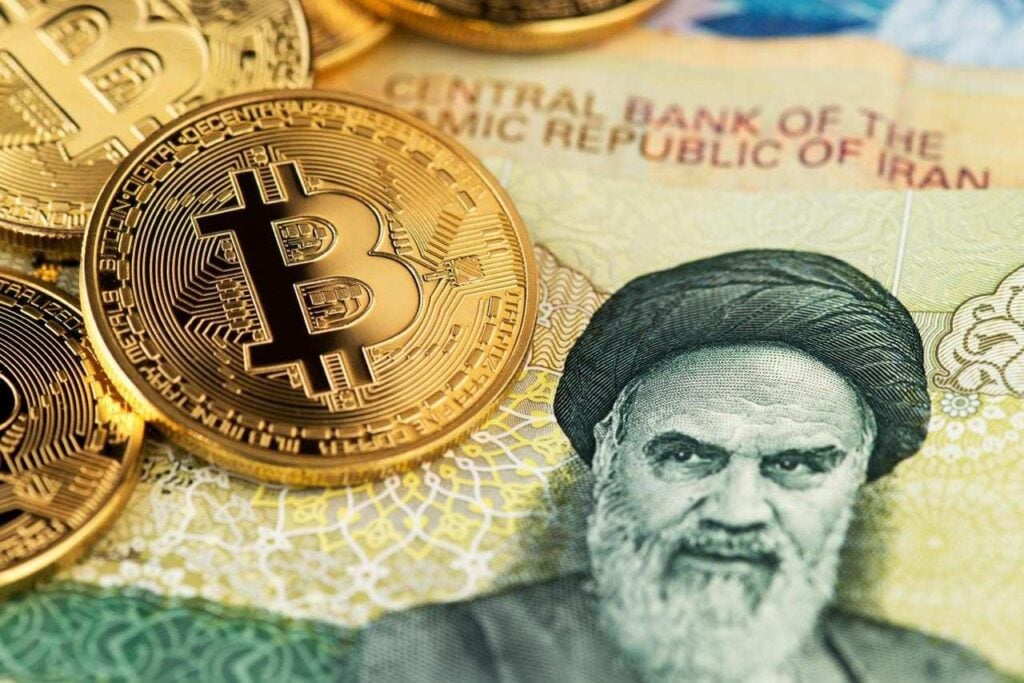

The U.S. Treasury imposed sanctions on two Iranian companies on Wednesday, July 29, as they were accused of operating a maritime insurance scheme that accepted Bitcoin (BTC).
According to the official statement, the Treasury’s Office of Foreign Assets Control (OFAC) designated the Persian Gulf Marine Insurance Company and the HormuzSafe Marine Services Authority, also known as Hormuz Safe, alleging they forced commercial vessels transiting the Strait of Hormuz to purchase insurance coverage.
Allegedly, the payments generated revenue for the Islamic Revolutionary Guard Corps (IRGC), the arrangement functioning as a form of extortion, not legitimate insurance. As such, the policies covered risks such as vessel seizures that U.S. officials said were largely created by Iran itself.
Furthermore, the Treasury also said that Hormuz Safe was developed by Iran’s Ministry of Economy and accepted payments in Bitcoin and other digital assets as part of Tehran’s efforts to circumvent Western sanctions.
“With its economy in freefall and inflation in the triple digits, the regime is desperate for cash. The United States will not allow Iran to hold global commerce hostage or use international shipping to finance the IRGC’s terrorism, aggression, and repression,” said Secretary of the Treasury Scott Bessent.
Hormuz Bitcoin schemes continue
The sanctions follow similar incidents this year. Back in April, crypto scam messages offering safe passage through the Strait of Hormuz in exchange for digital currencies began circulating and reportedly culminated with an attack on a tanker northeast of Oman.
In regard to the ongoing issue, the Treasury said the insurance policies were approved by the Persian Gulf Strait Authority, an IRGC-backed entity that was already sanctioned in May. Due to the sanctions, U.S. individuals and companies are banned from conducting business with aforementioned entities, while foreign firms that transact with them could also face U.S. sanctions.
“Violations of U.S. sanctions may result in the imposition of civil or criminal penalties on U.S. and foreign persons… Non-U.S. persons are also prohibited from causing or conspiring to cause U.S. persons to wittingly or unwittingly violate U.S. sanctions, as well as engaging in conduct that evades U.S. sanctions,” the press release read.
Bitcoin was largely unaffected by the news, trading at around $63,700 at press time, July 31, down 1.6% on the daily chart.
Featured image via Shutterstock