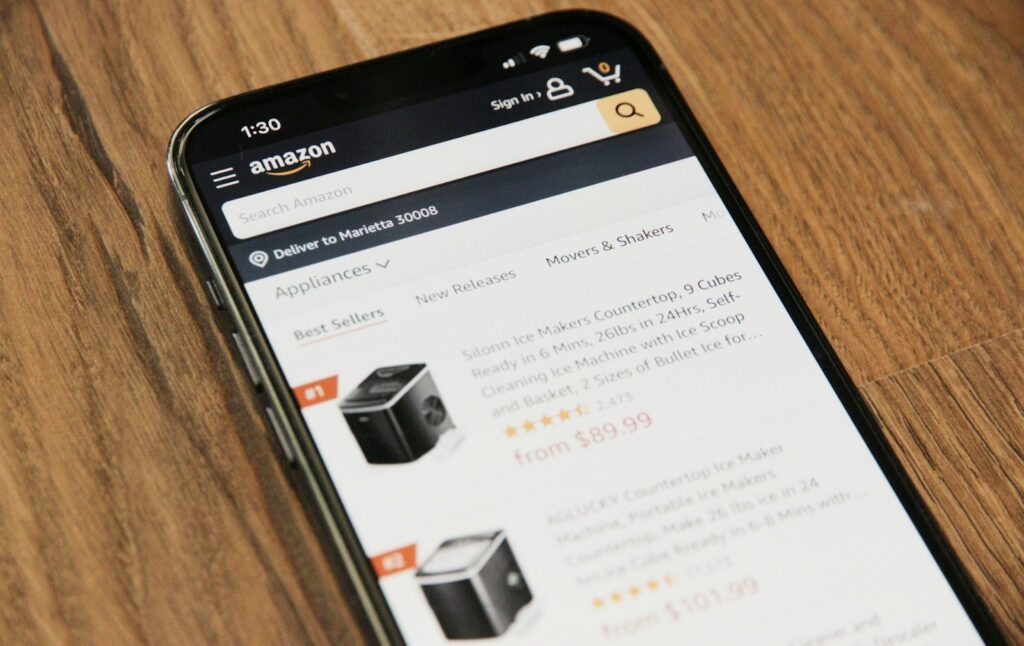
A cell phone sitting on top of a wooden table photo – Free Online shopping Image on Unsplash
The UK’s digital economy is witnessing strong growth in 2025, with consumers’ spending on various online platforms registering encouraging trends. Latest figures indicate a 1.9% increase in overall consumer spending compared to the same period in 2024, with digital services taking an increasing portion of British wallets. As economic pressures slowly recover and real wages increase, UK consumers are showing clear patterns in how they are shopping online, indicating significant changes in the digital market
Online Gambling Emerges as Major Spending Category
The online gambling industry remains a key part of UK digital expenditure. Valued at USD 8.7 billion in 2024, online betting websites and internet casinos still show strong growth trends. Industry watchers comment that mobile platforms are now leading the way, with more customers using the ease of gambling apps compared to desktop options.
For gamblers keen on getting the best offers, an updated list of UK offers is regularly compiled by industry watchdogs like Card Player so that gamblers may derive maximum value from their gaming wallet without compromising on responsible gambling.
Streaming and Digital Entertainment
Predictably, subscription-based entertainment and online streaming platforms claim the top spender award in the digital space, reportedly accounting for 12.29% of overall online purchases. Streaming services benefited from the early part of 2025, in part due to especially cold January weather and high-profile content drops such as the second season of “Squid Game.”
This is a trend that signifies increased consumer appetite for home entertainment choices, with digital subscriptions now a standard household expense rather than a luxury. The entertainment category continues to be a performer above other spend categories as consumers value access to movies and box sets over other types of leisure activities.
Food Delivery Services Maintain Strong Growth
Food delivery online continues to be another major sector of digital expenditure, taking up 11.37% of entertainment budgets. January 2025 saw spending on food delivery reach a year-long high with a 5.1% increase.
The trend reveals the continued popularity of convenience food despite lockdowns having been in effect for several months, signalling a permanent change in consumer practice in favour of digital food buying.
The growth has also been fueled by the mass adoption of the young Gen Z and Millennials generations for quick, app-driven ordering and variety in food. Autonomous delivery, meal kit subscription boxes, and environmentally-friendly packaging are also transforming this industry. Major players such as Just Eat, Deliveroo, and Uber Eats dominate to serve changing consumer needs for quicker, more convenient, and greener delivery solutions
Retail Spending Shows Modest but Steady Growth
Internet shopping is displaying renewed vigour during early 2025, driven by a strong rebound of non-food categories and a spectacular increase in consumer activity. Non-food categories – most notably household goods, clothing, department stores, and jewellery – led the advance. Home furnishings stores posted a 6.8% rise, their biggest month-to-month increase since April 2021.
The refreshed well-being of online retail is supported by several longer-term trends. Consumers are more and more focused on securing value, convenience, and a connected omnichannel proposition, combining online and in-store shopping as expectations change. Retailers are meeting this by putting money into digital transformation, creating increasingly high levels of online trade, and building out options for fulfillment like click & collect and fast delivery. These trends are most obviously visible in homewares and DIY categories.
Conclusion: A Digital-First Consumer Economy
The facts clearly indicate that UK consumers are increasingly channeling their spending to online platforms in spaces of entertainment, gambling, meal ordering, and retail segments. In the backdrop of a time when the UK online gaming market alone has seen growth projected for the period of USD 3.51 billion in the years 2025-2029, the digital economy is guiding an increasingly vast majority of consumer wallets.