
Michael Burry appears to have been right about Palantir Technologies (NASDAQ: PLTR), his biggest short position in 2026, at least based on the stock’s performance so far this year.
Namely, Palantir stock is down nearly 11% year-to-date (YTD), having dropped from roughly $177 at the start of 2026 to approximately $158 as of press time, August 6.
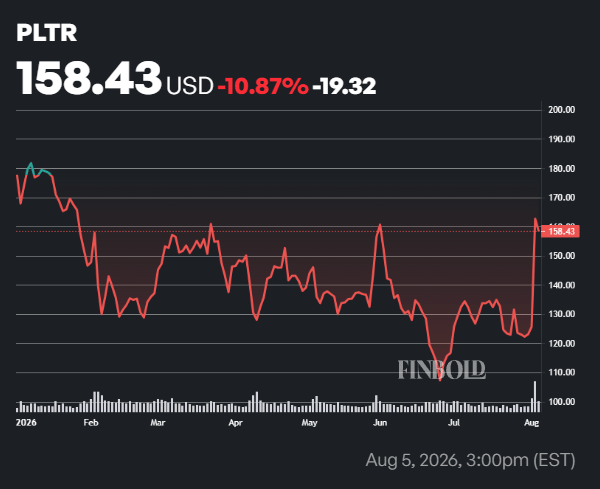
As a result, a hypothetical $100 investment in the software company at the beginning of the year would now be worth about $89, following a loss of nearly $11.
For comparison, a $1,000 investment would have fallen to approximately $893, resulting in a loss of about $107 over the same period.
Was Michael Burry right about Palantir?
At first glance, the numbers appear to highlight the success of Michael Burry’s bearish thesis, as Palantir shares have struggled despite strong revenue growth and continued enthusiasm surrounding artificial intelligence (AI).
The famed investor, best known for predicting the 2008 financial crisis, established his bearish position through put options in late 2025. Regulatory filings revealed that his fund held options exposure tied to roughly five million Palantir shares, with a notional value of about $912 million, before the fund later deregistered.
Since then, ‘The Big Short’ has continued to highlight his concerns about the company’s valuation, referencing both put options and direct short exposure in public comments. Most notably, Burry’s argument centers on valuation, as he has consistently warned that Palantir’s stock price was the result of overly optimistic growth assumptions and excessive enthusiasm surrounding AI.
However, despite the stock’s decline this year, Palantir’s underlying business has continued to expand. In the first quarter of 2026, the company reported revenue of $1.63 billion, marking an 85% increase from the same period a year earlier. More impressively, in the second quarter earnings report on August 3, CEO Alex Karp stated that the “entire business nearly doubled in the span of 12 months,” with the stock now being up 30% on the weekly chart.
Featured image via Shutterstock