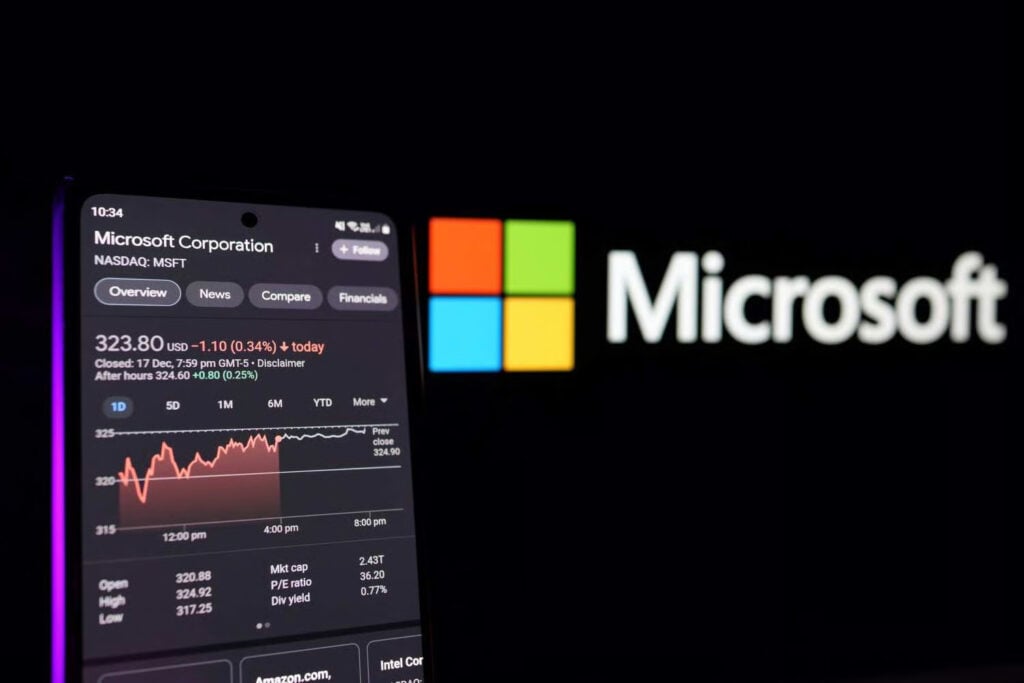

As it turned out, by August 5, Microsoft (NASDAQ: MSFT) stock’s late July earnings-driven rally was accompanied by the firm’s first insider equity sale in two months and one of the only six in 2026.
Receive Signals on SEC-verified Insider Stock Trades
This signal is triggered upon the reporting of the trade to the Securities and Exchange Commission (SEC).
Specifically, a Wednesday filing revealed that, on Tuesday, August 4, Executive Vice President and Chief Marketing Officer Takeshi Numoto dumped 4,810 shares at an average price of $496.48.
Notably, the insider trade that raised a total of just under $2.4 million was executed on the same day Microsoft stock hit its 2026 high closing price of $492.81. Simultaneously, the sale was the biggest of Numoto’s three since the year started and the third-biggest overall since January 1.
Receive Signals on SEC-verified Insider Stock Trades
This signal is triggered upon the reporting of the trade to the Securities and Exchange Commission (SEC).
Still, despite the timing making it appear suspicious, the insider move was likely scheduled ahead of time due to strict rules imposed on market activity by senior company personnel.
Why Takeshi Numoto might be the luckiest Microsoft insider of 2026
Meanwhile, whether deliberate or not, Takeshi Numoto could hardly have selected a better time to trim his Microsoft stock position.
The blue-chip technology giant has been struggling through most of 2026 and even recorded its worst start to a year since the Great Recession amidst exploding capital expenditures (CapEx), unclear return on investment (ROI), and a worsening reputation exemplified by the ‘Microslop’ nickname.
Receive Signals on SEC-verified Insider Stock Trades
This signal is triggered upon the reporting of the trade to the Securities and Exchange Commission (SEC).
Microsoft’s latest earnings, however, rapidly reversed the situation. By July 29 – just ahead of the filing – MSFT shares were down 17.42% year-to-date (YTD). By press time on August 6 and even after the latest correction, the equity is up 3.07% within the same timeframe and at $487.46.

Still, the recent turn does not necessarily guarantee the blue-chip technology giant is out of the woods for 2026.
Why Microsoft stock is at risk of a severe crash after earnings-driven rally
Despite recording strong results during the quarter, the firm has continued burning through vast amounts of cash while seemingly relying on but a handful of clients – clients that are both unprofitable and uncertain to begin turning a profit – for its artificial intelligence (AI) growth.
Indeed, much like the rest of the industry, Microsoft stock’s gains are at risk of a sudden reversal for at least as long as big tech refrains from publishing exact results from its AI operations, with the additional caveat that they would have to be as good as the generally vague statements made by most executives imply.
Notions of a potential sudden crash were also reinforced in early August when Michael Burry – the investor best known for predicting and then profiting from the Great Recession – warned that the current business models are unsustainable, hinting the market might be at the top and at risk of a ‘1987-type fall.’
Featured image via Shutterstock