
As the market continues to reel under intense downward pressure, an expert has warned that investors should brace for the start of a potentially grim economic winter.
In this regard, Todd Horwitz, founder of BubbaTrading.com, has described the current market climate as a “love child of a 2001-2008 debacle,” suggesting that major indices could face a severe correction, he said during an interview with David Lin published on November 21.
His sentiment comes as the Nasdaq has wiped out its 2026 gains and entered negative territory for the year, while volatility has spiked significantly.
The sell-off has also pushed the S&P 500 and Dow Jones into correction territory, with both indices falling more than 10% from their recent record highs.
Notably, the VIX index, which measures expected stock market volatility, surged to 35.89 at Friday’s close, its highest level in months, signaling heightened investor anxiety and reinforcing Horwitz’s warning of what he calls a “black Christmas.”
“I’m looking for a 40 to 60% haircut, and I think we’re well on our way. It looks like we’re going to potentially have a black Christmas. At the end of the day, the economy is not in good shape. The stocks are still overvalued. We have a valuation problem. We’ve got a housing problem. We’ve got an interest rate problem,” he said.
Major stock indices enter bear territory
The latest sell-off has been particularly severe. On November 20, the S&P 500 closed at 6,910.39, down 3.7%, while the Nasdaq Composite plunged 5.28% to 22,617.73. The Dow Jones Industrial Average lost 1.93% to close at 48,147.33, while the Russell 2000 fell 2.76% to 2,581.79.
The market’s fragility is compounded by concerns over stretched valuations, substantial debt levels, and uncertainty surrounding the returns on massive artificial intelligence investments.
Horwitz argued that the artificial rallies of recent years were built on historically low interest rates, which masked underlying weaknesses in the economy.
At the same time, the recent record-breaking Anthropic IPO has failed to restore investor confidence, with the company’s shares falling sharply after listing.
The decline has added to concerns that enthusiasm surrounding artificial intelligence may have outpaced the sector’s ability to justify its valuations.
Given these conditions, Horwitz has adopted a highly defensive stance, recommending that investors “short everything” as he anticipates that the Federal Reserve could raise interest rates by another 50 basis points to combat stubborn inflation.
Looking ahead, Horwitz remains bearish, warning that 10-year Treasury yields could potentially climb to 6% by the end of the year, a move that would exert further downward pressure on equity valuations.
Navigate market bear environment
To navigate this volatility, he advocated using derivatives as a safety net for long-term investors.
By utilizing strategies such as put ratio backspreads, he maintained that investors can clearly define their risk exposure and protect their portfolios against sharp market downturns.
The broader market sell-off also reflects mounting concerns about the sustainability of the AI boom.
Investors have increasingly questioned whether technology companies can generate sufficient returns from their enormous data-center investments, particularly as expectations for future spending continue to rise.
These concerns have been compounded by Nvidia’s sharp decline, regulatory uncertainty surrounding AI infrastructure, and persistent inflation, which has kept expectations of higher interest rates in focus.
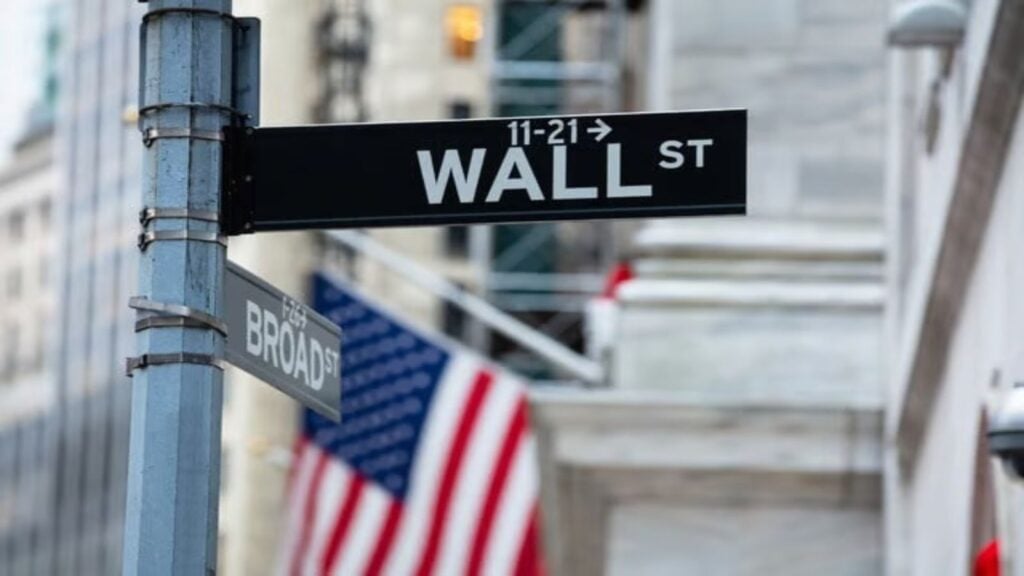
Featured image via Shutterstock