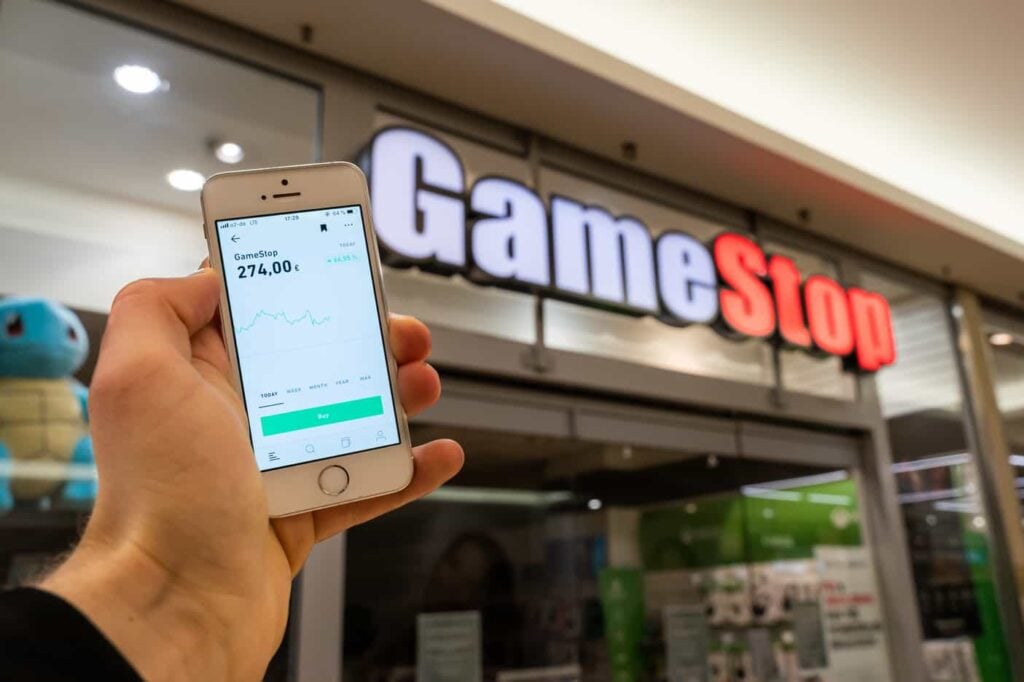

Early May proved a turbulent period for GameStop (NYSE: GME) as CEO Ryan Cohen unveiled an unsolicited bid to acquire eBay (NASDAQ: EBAY) for approximately $46 billion.
Overall, the attempt proved a net negative for GME stock, which is, overall, down 0.17% in the weekly chart and suffered a dramatic regular session on May 11 when it fell another 4.57% to $23.17.
The May 12 extended session brought further setbacks with the eBay board rejecting the offer, describing it as ‘neither credible nor attractive’: a move that sent GameStop shares crashing nearly 5% in the extended session.
Still, the subsequent decreases in losses to 2.68% with GME equity’s press time price of $22.55 might indicate investors look more favorably at disengagement than at continued attempts to purchase.

The GameStop-eBay acquisition saga
Indeed, GameStop’s bid can largely be described as odd given the very setup. The vast difference in the valuation of the two companies immediately drew attention, considering that, at the time the offer was unveiled, GME’s market capitalization stood at approximately $12 billion, and the online marketplace’s was close to $50 billion.
Furthermore, the video game retailer offered a premium price of $125 per share to eBay and hinted at a cash-and-equity deal, raising financing and equity dilution concerns despite an alleged $20 billion credit line from TD Bank.
The saga also received a strange episode late last week when GameStop CEO Ryan Cohen began selling merchandise on eBay – ostensibly to help finance the acquisition – only to have his account suspended.
The event led the legendary short trader Michael Burry – who decided to clear his entire GME position as the bid unfolded – to sardonically remark that the purchase has turned ‘hostile.’
Here’s how eBay stock is reacting to the rejection of GME’s bid
Elsewhere, eBay stock offered only a limited reaction overall, closing 0.41% in the green on Monday, May 11, and falling a relatively small 0.95% to $107.10 in the May 12 pre-market in the wake of its board’s rejection.

Notably, investors’ lack of confidence that the bid would prove successful is also reflected in the fact that, despite an initial rally, EBAY shares never reached GameStop’s offered $125 price.
Featured image via Shutterstock