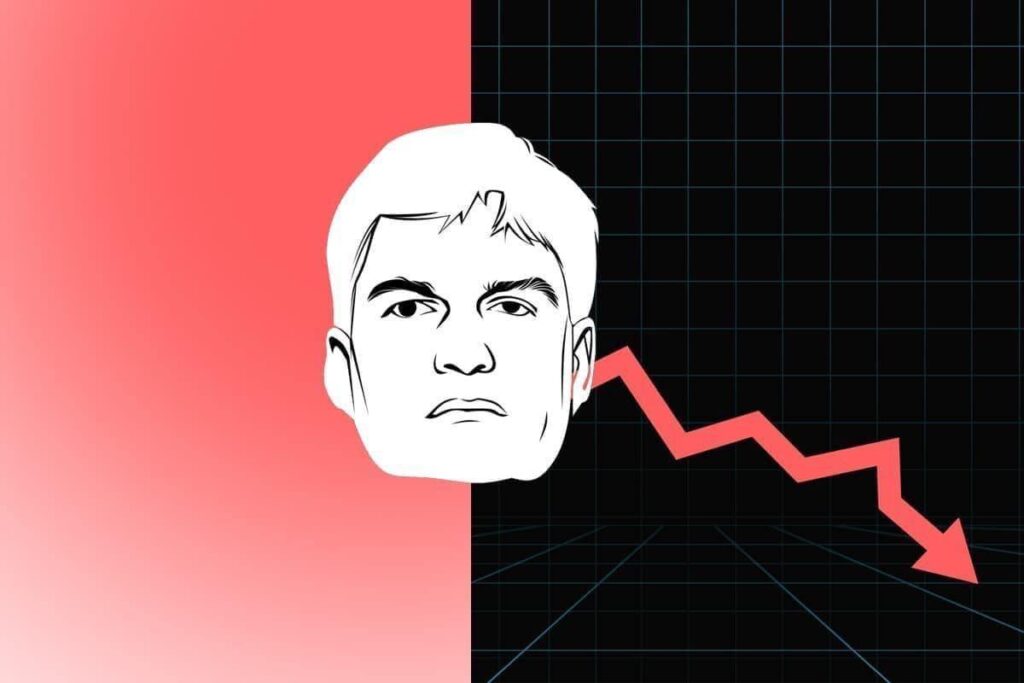

Michael Burry, the ‘Big Short’ investor who predicted the financial crash of 2008, is not backing down in his criticism of big-tech names, in particular Nvidia (NASDAQ: NVDA).
The chipmaker, the stock market veteran argued in a post published on his Substack on February 26, has seen a sharp rise in long-term purchase obligations, which he sees as a potential structural risk.
More specifically, reviewing Nvidia’s fiscal 2026 Form 10-K, Burry highlighted that the company’s purchase obligations surged to $95.2 billion, up from $16.1 billion a year earlier.
According to the analysis he presented, this increase reflects non-cancellable supply agreements tied to expanded semiconductor fabrication and advanced packaging capacity.
TSMC can’t meet Nvidia’s demands?
The problem, the post argued, is mostly linked to Taiwan Semiconductor Manufacturing Company (NYSE: TSM), which has required extended commitment and upfront payments to meet the demands set by Nvidia’s new technology.
Burry described the development as a departure from Nvidia’s historical operating model, arguing that such arrangements were “not the normal course of business until recently.” More importantly, he noted that the trend is likely to continue.
“To be clear, NVDA has been forced to place non-cancellable purchase orders well before demand is known. This appears structural to the new trajectory of product development and not temporary,” he wrote.
Nvidia earnings beat expectations, but is the management too hasty?
In the annual filing itself, the company warned that purchase obligations are “expected to continue to grow and become a greater portion of supply.” Burry thus emphasized that Nvidia is now placing non-cancellable orders well in advance of confirmed end demand.
Ultimately, Burry appears to suggest that investors should pause and consider whether a more lasting shift in the company’s operating and capital structure is really likely to happen.
Wall Street, however, remains decisively bullish following yesterday’s quarterly report. Indeed, Nvidia topped Wall Street expectations across the board, reporting revenue of $68.13 billion, ahead of the $66.21 billion consensus estimate. At the same time, earnings per share came in at $1.62, surpassing the $1.53 forecast.
Following the earnings release, several major Wall Street firms reiterated their positive stance on NVDA shares. Among the most optimistic was Vivek Arya of Bank of America, who raised his price target from $275 to $300. Other firms, including JPMorgan, Morgan Stanley, William Blair, and KeyBanc, also reiterated Buy-equivalent ratings, with 12-month Nvidia price targets ranging between $260 and $275.
Still, despite the overwhelmingly bullish analyst commentary, investor sentiment appeared more measured and akin to that of Burry. Namely, NVDA stock was down more than 4% at the time of writing, sitting at $187.5 and showing that mere numbers are not enough to drive market sentiment, not even for the AI bellwether.
Featured image via Shutterstock