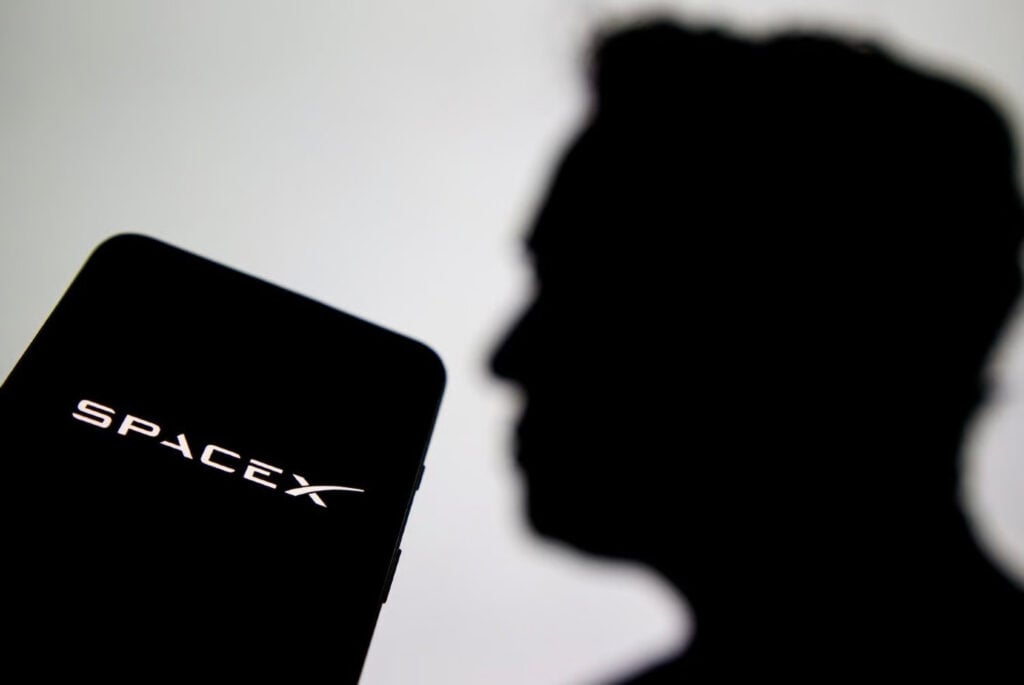

Investors looking for exposure to Elon Musk’s business empire face a difficult choice in 2026: buy Tesla (NASDAQ: TSLA) or wait for a stake in SpaceX.
Both companies offer significant growth potential but present very different risk-reward profiles.
To determine which investment appears more attractive heading into the second half of 2026, Finbold consulted ChatGPT to assess the latest developments surrounding both firms.
The case for Tesla stock
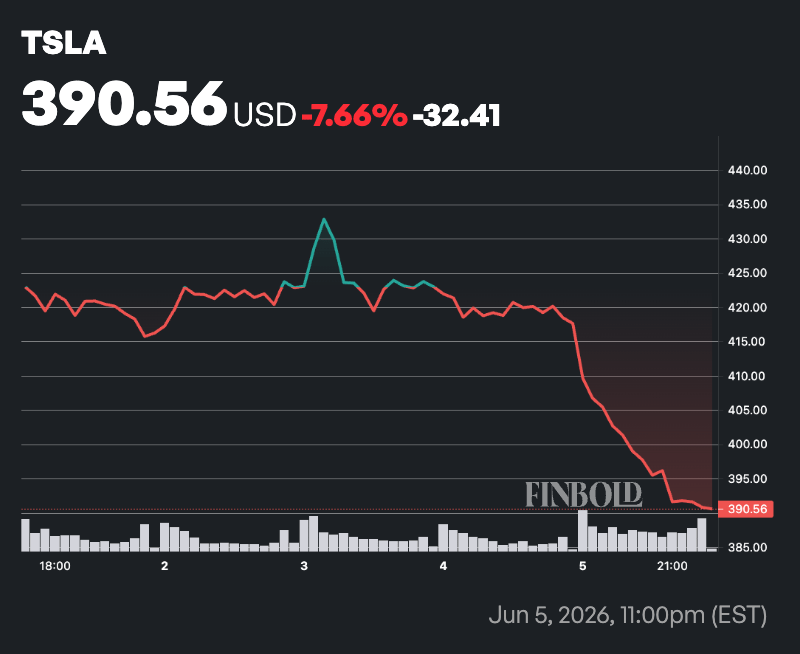
According to ChatGPT, Tesla is no longer valued primarily as an electric vehicle maker. Instead, investors are increasingly betting on the company’s ambitions in artificial intelligence, autonomous driving, robotaxis, and humanoid robotics.
That shift has gained support from Wall Street analysts who believe Tesla’s long-term value will be driven more by software and AI-powered services than vehicle sales.
If Tesla successfully commercializes autonomous ride-hailing and robotics at scale, it could unlock revenue streams far larger than its traditional automotive business.
However, ChatGPT noted that Tesla’s automotive operations continue to face pressure from intense EV competition and concerns about slowing demand growth.
The company is also investing heavily in AI infrastructure, robotics, battery production, and autonomous driving technology, spending that could weigh on profitability in the near term.
As a result, Tesla’s valuation is becoming increasingly dependent on the success of its AI, robotaxi, and autonomy initiatives.
The case for SpaceX
While Tesla’s future is tied to technologies that are still being commercialized, ChatGPT highlighted that SpaceX already operates several rapidly growing businesses.
Starlink has become a major revenue generator and continues to expand globally, while SpaceX remains the dominant force in commercial rocket launches through its Falcon program.
Investors also view Starship as a potentially transformative asset that could significantly reduce launch costs and expand commercial opportunities in space transportation.
Unlike Tesla, SpaceX’s growth is supported by businesses already generating substantial revenue, helping fuel enthusiasm ahead of its anticipated public market debut.
Recent reports suggest SpaceX could seek a valuation of up to $1.75 trillion ahead of its June 12 IPO, a figure that has sparked debate among analysts. Critics argue that such a valuation already reflects substantial future growth from Starlink, Starship, and other emerging businesses, leaving limited room for execution setbacks.
Tesla v. SpaceX verdict
After reviewing both companies, ChatGPT concluded that SpaceX offers the stronger fundamental investment case in 2026. The company benefits from established growth drivers through Starlink and its leadership in commercial space launches, providing a more proven revenue base than Tesla’s AI and robotics initiatives.
However, Tesla could deliver greater long-term upside if it successfully scales its robotaxi network, autonomous driving technology, and Optimus humanoid robot.
As a result, ChatGPT viewed SpaceX as the stronger company today, while Tesla remains the higher-risk, higher-reward opportunity for investors seeking exposure to the future of AI and autonomy.