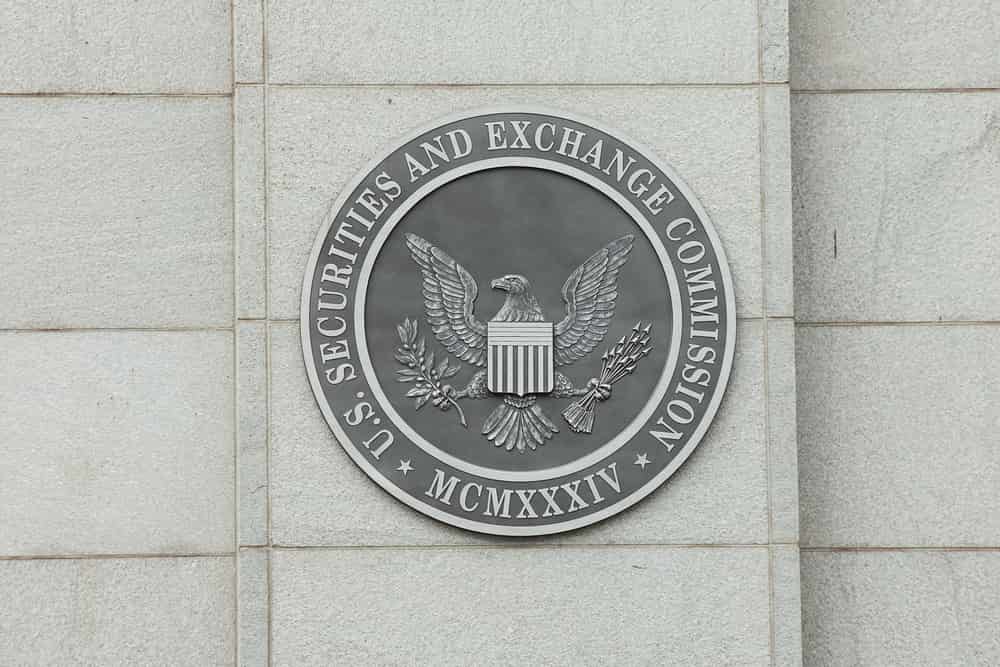

The current shift in the American crypto regulatory climate has offered the digital asset industry a reprieve from what many considered the “dark years” of the previous administration. Under the leadership of Gary Gensler, the Securities and Exchange Commission (SEC) adopted a posture of regulation by enforcement, characterized by a refusal to provide clear pathways for compliance, reliance on aggressive litigation, and a bevy of lawsuits targeting the industry in the United States. This era was defined by a calculated ambiguity that stifled domestic innovation, with many warning that the industry’s brightest minds and most significant capital would move to offshore jurisdictions. While the present atmosphere feels decidedly more optimistic, it is essential to note how this stability is tethered to political appointments rather than established law.
The danger of the current moment lies in the potential for complacency. The industry is currently enjoying a more friendly approach from Washington, starting with President Trump’s signing of an executive order supporting digital assets in his first week in office. This was further bolstered by the SEC rescinding SAB 121, the SEC Commissioner issuing a statement proposing a four-part framework to categorize crypto assets, which required companies holding crypto assets to register them as liabilities, the dismissal of enforcement actions against crypto firms, including Coinbase, Kraken, and Ripple, and the appointment of Paul Atkins, a veteran crypto advocate, as SEC Chair. This shift has occurred primarily through executive and administrative pivots, so ultimately it remains easily reversible.
Without formal legislative intervention, the crypto industry remains exactly one election cycle away from a return to the more hostile environment of the past. A new election cycle and a change from the current administration could usher in a new era of stringent oversight, effectively undoing the progress made in establishing the United States as a hub for financial technology. The threat may not feel immediate in the short term, but there is a coalition of politicians who view the legislative progress in digital assets as risking a financial meltdown.

For the industry to achieve true maturity, it must move beyond the volatility of four-year political cycles. This is why the role of the Senate is so critical at this juncture. The industry may revel in temporary favors or administrative leniency, but what it needs is legislative clarity. Legal frameworks that clearly define the jurisdictional boundaries between the SEC and the Commodity Futures Trading Commission (CFTC), and provide specific guidelines to industry participants, are the only way to ensure that the rules of the road do not change every time there is a new occupant in the White House, given that future SEC or CFTC leadership can roll back rules made without the basis of legislation. Legislation provides a permanent foundation that administrative goals cannot easily dismantle, through a simple rulemaking process.
Ultimately, the goal is to move digital assets out of the realm of politics and into the realm of established commerce. Institutional investors and long-term builders require the certainty that only a congressional mandate can provide. If the Senate fails to act now while there is a window of relative alignment, the industry risks remaining at the mercy of shifting political leanings every two or four years. The industry must prioritize the passage of comprehensive crypto legislation today to ensure that the “Gensler years” remain a historical footnote rather than a recurring