
Peter Schiff, economist and CEO of Euro Pacific Asset Management, is warning that the U.S. could deteriorate further in 2026, driven by unsustainable sovereign debt and low confidence in the U.S. dollar.
Speaking with Glenn Diesen on February 3, Schiff said gold’s surge past $5,000 per ounce should be interpreted as a market warning rather than a speculative anomaly. While he first predicted the price more than a decade ago, the economist argued that the structural problems underpinning his original forecast have since intensified.
“…the problems that led me to believe that we’d have $5,000 gold are much bigger. You know, we were able to kick the can down the road for over a decade, but in doing that, all of the problems got much worse. So unfortunately, now I think it’s going to be a much bigger economic crisis.”
Comparing the situation to the 2008 recession, Schiff added that the next crisis will originate at the federal level, as the U.S. Treasuries and the dollar itself are set to become the epicenter of the problem.
Notably, the U.S. federal debt has grown from roughly $9–10 trillion during the 2008 financial crisis to over $38 trillion today. As a result, the confidence in Washington’s ability to carry out its obligations without monetary expansion has dropped significantly.
Why higher interest rates could trigger the next U.S. crisis
According to Schiff, artificially low interest rates are the only thing keeping the whole system afloat. A normalization of rates, he argued, would make debt servicing unaffordable.
At the same time, he also challenged the assumption that the U.S. dollar will act as a refuge during the next downturn, as it did 18 years ago. Instead, he expects the dollar to weaken sharply during the crisis.
“This time, I think the dollar is going to be at the epicenter of the crisis. The dollar is going to be tanking, and that’s going to add to the problems, and because it’s going to fuel higher interest rates and higher consumer prices.”
The finance veteran pointed to recent multi-year lows in the dollar index and record lows against the Swiss franc as early signs of a broader loss of confidence. Further, the interview touched on how central banks continue to reduce reliance on the dollar, with gold emerging as a primary alternative reserve.
Among the chief reasons for that, the discussion continued, is that U.S. foreign policy, trade tariffs, and geopolitical threats have incentivized countries to seek independence from dollar-based systems.
2026 economic outlook
Looking ahead to 2026, Schiff said U.S. economic conditions are likely to deteriorate further through 2026, as headline GDP figures are distorted by debt-funded investment, particularly in artificial intelligence (AI).
He warned that rising living costs and a weakening labor market could drive political consequences, predicting Republican losses in the U.S. midterm elections, potentially both the House and the Senate.
“I think beneath the surface, things are difficult,” he said, adding that “those problems are going to worsen as the year progresses.”
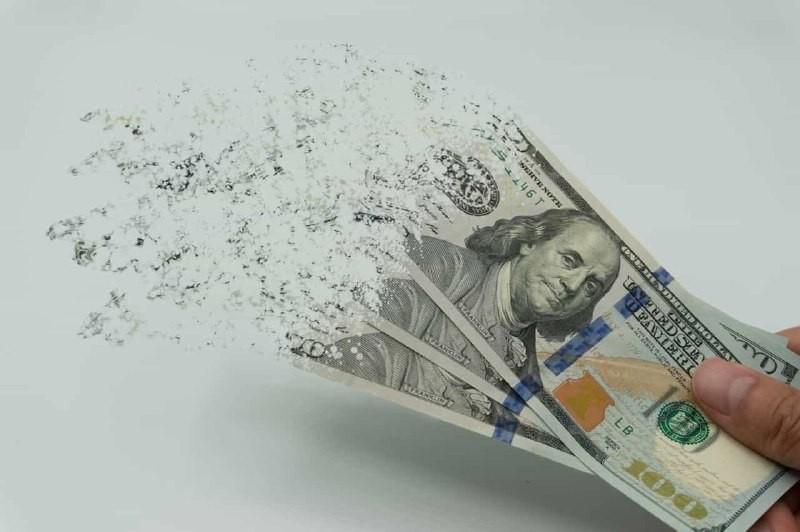
Featured image via Shutterstock