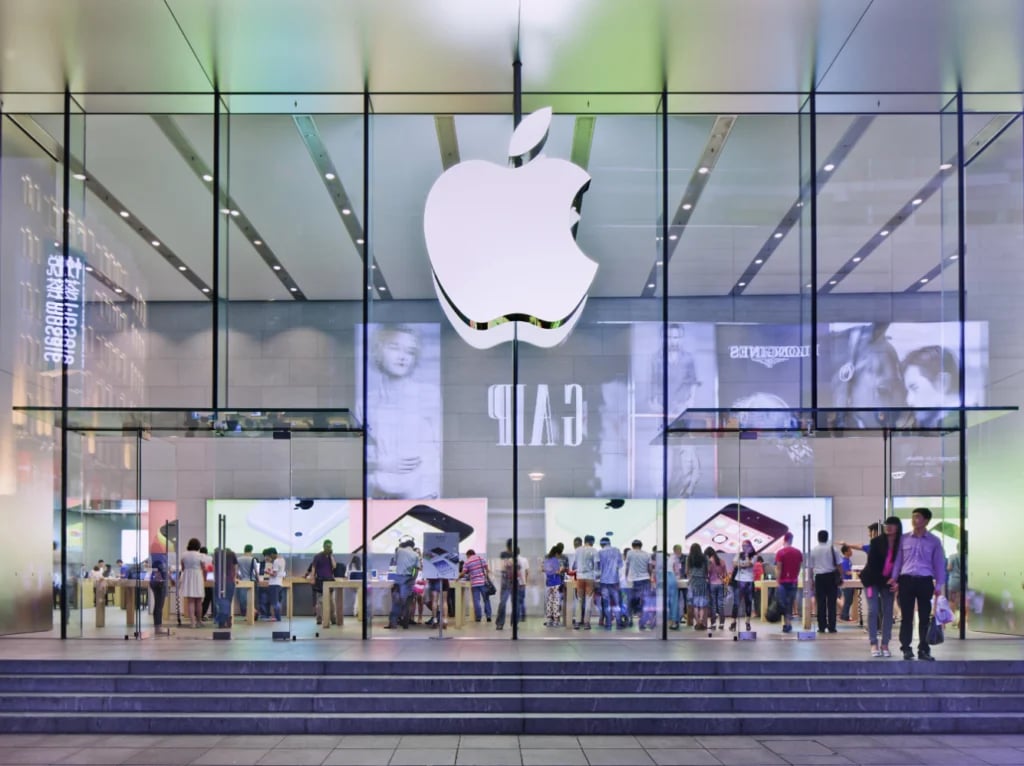

As Tim Cook prepares to step down as Apple’s chief executive officer on September 1, ending a 15-year tenure, investors who backed Apple (NASDAQ: AAPL) when he took over have been richly rewarded.
Since Cook assumed the CEO role on August 24, 2011, Apple shares have risen from a split-adjusted closing price of $11.25 to $319.70 as of the last trading session.
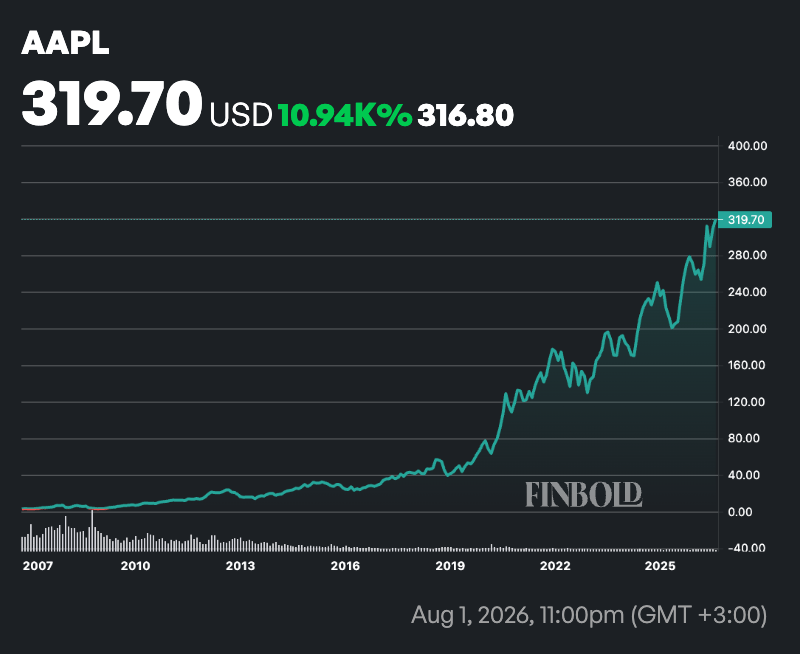
As a result, a $1,000 investment made on that day would now be worth approximately $28,418, representing a gain of more than 2,740%.
The return reflects Apple’s transformation under Cook from a company valued at roughly $350 billion into one with a market capitalization of about $4.67 trillion.
Apple’s explosive growth
Apple’s growth was driven by a sharp increase in revenue, which expanded from $108 billion in fiscal 2011 to $416 billion in fiscal 2025. Trailing 12-month sales have also approached $467 billion.
The iPhone remains Apple’s largest revenue driver, generating more than $200 billion annually and accounting for roughly half of total sales. However, the services segment has become one of the company’s key growth engines.
Services revenue, which includes the App Store, iCloud, Apple Music, Apple TV+, and Apple Pay, now exceeds $100 billion annually. The segment carries higher margins than hardware products, helping lift Apple’s overall gross margin into the high-40% range.
Meanwhile, products such as the Apple Watch and AirPods have strengthened Apple’s ecosystem and helped grow its active device base to more than 2.5 billion.
Another major contributor to Apple’s investment growth has been its aggressive capital return strategy.
Over the years, the technology giant has spent hundreds of billions of dollars repurchasing shares, reducing shares outstanding to about 14.6 billion.
The share count has fallen by roughly 40% from peak levels, boosting earnings per share and increasing the value of remaining shares.
Although Apple pays a dividend, the yield remains modest at around 0.33% to 0.34%, with a payout ratio near 12%. Most shareholder returns have instead come from stock appreciation and share buybacks.
Cook’s background in operations and supply-chain management also helped Apple navigate challenges including the pandemic, inflation, and global trade disruptions.
The company expanded manufacturing capacity, diversified parts of its production footprint beyond China, and maintained strong profitability throughout the period.
Apple leadership transition
Apple announced in April that Cook will become executive chairman, with longtime hardware chief John Ternus set to take over as CEO on September 1.
Ternus inherits a company valued at about $4.67 trillion but faces growing pressure to strengthen Apple’s position in artificial intelligence.
While Cook’s tenure was defined by operational discipline, services growth, and shareholder returns, investors expect Ternus to place greater emphasis on product innovation and AI.
Apple’s September 9 product event will be the first major launch under Ternus’ leadership, with investors watching for updates on the company’s AI strategy and future growth plans.
Featured image via Shutterstock