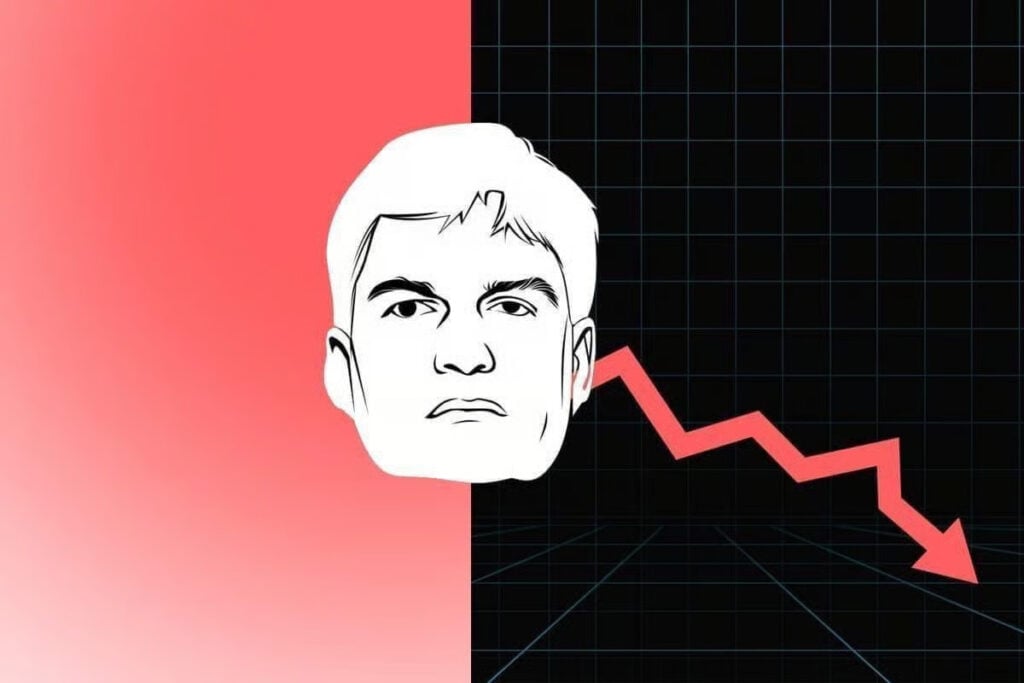

Despite the recent string of strong earnings reports filed by various big tech firms, Michael Burry doubled down on his bearish stance in a recent Substack post, even warning the stock market might soon face ‘a 1987-type fall.’
This latest warning is in line with the legendary ‘Big Short’ trader’s long-standing stance that the ongoing boom is unsustainable and has rendered many prominent equities severely overvalued.
Notably, the ‘Black Monday’ of 1987 is widely believed to have been triggered by a mix of concerns over excessive stock valuations and waning confidence in the dollar.
Why 2026 might see ‘a 1987-type fall’
In 2026, some of the biggest companies in the world are arguably overvalued on account of both the speed of their recent rallies and a lack of clearly reported returns on the key investment of the era – artificial intelligence (AI).
Simultaneously, recent trends among central banks to accumulate Gold at the expense of the USD and U.S. bonds signal that confidence is once again on the decline, even if a genuine dedollarization crisis is yet to unfold.
‘Big Short’ Michael Burry’s latest speculation about a market top and a potentially catastrophic stock crash – the 1987 plunge took the S&P 500 more than 30% lower and took two years to recover from – arguably drew additional scrutiny due to its timing.
‘Big Short’ Michael Burry doubles down on his bearish stance amidst blockbuster tech earnings
Specifically, late July and early August featured a series of exceptionally strong big tech quarterly earnings reports that almost universally featured significant forecast beats and strong growth.
Perhaps reflecting on the circumstances, Burry published an X post on Wednesday in which he concurred that ‘there’s really gold in them thar hills,’ but he also highlighted that he is warning about the ‘ghost towns’ left in the wake of gold rushes.
The reference was made due to Nvidia (NASDAQ: NVDA) often being described as a ‘shovel seller’ in the ongoing AI ‘boom.’
Meanwhile, though his short positions are by far the most-discussed, Michael Burry is far from the only bear regarding the state of the technology industry in 2026.
Is the growing AI skepticism a 2026 market top signal?
The exploding capital expenditures (CapEx) have severely diminished the free cash flow of the traditionally wealthy tech giants and led to widespread speculation about their ability to continue financing the buildout.
SpaceX (NASDAQ: SPCX) and Meta (NASDAQ: META) both deciding to rent out compute and both finding a client in Anthropic have exacerbated the issue, as it raised questions on the supply and the demand side.
Indeed, Ed Zitron, an ascending AI skeptic, estimated that only two firms – OpenAI and the makers of Claude – account for well over half of the data center demand, meaning that they, due to their dubious paths to profitability, pose a systemic risk.
Similarly, the environmental impact of key infrastructure, the psychological impact of AI use, the ‘job apocalypse’ narrative used to market the platforms, the sky-high operating costs, and the corporate drive to force the technology onto every device and into every service have led to a rising public backlash.
Finally, the reported private credit strain, Google’s (NASDAQ: GOOGL) decision to execute an equity fund raise for the first time in decades, and the reportedly poor returns for venture capital all provide supporting circumstantial evidence that a crash is likely, will be sudden, and will lead to many a ‘ghost town.’