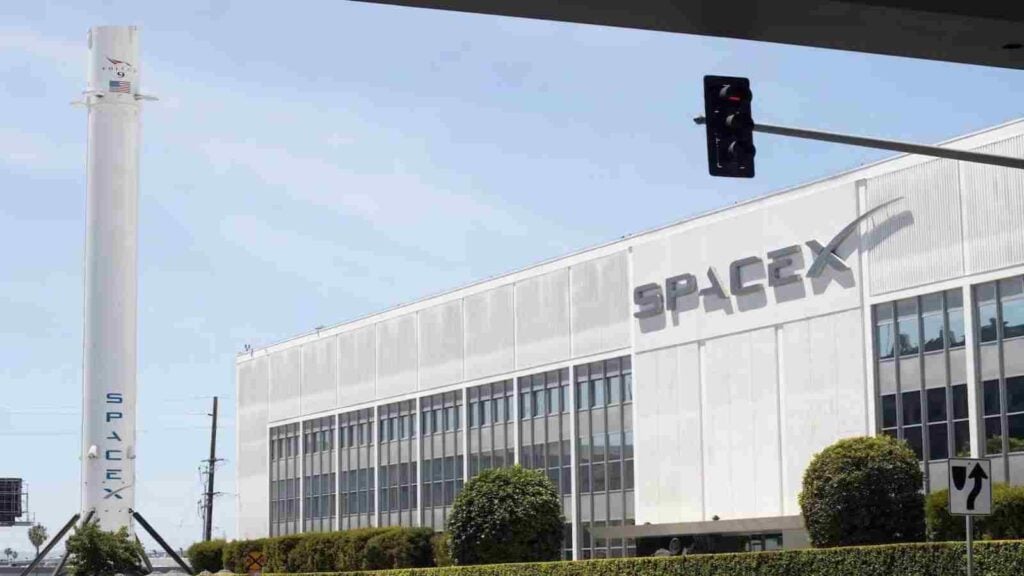

A warning signal has emerged for SpaceX (NASDAQ: SPCX) stock after retail investors became net sellers for the first time since the company’s June IPO.
Flow data shows individual investors sold a net $4.5 million worth of SpaceX shares on August 7, ending a streak of daily net buying that began after the company’s June 12 market debut.
The shift came during a sharp rally in the stock, suggesting some investors locked in profits after weeks of accumulation.
Notably, retail investors have been a key source of demand since the IPO. Net retail purchases peaked at $144.6 million on June 16. Just two days before the selling alert, investors were still buying aggressively during a post-earnings decline.
Despite the shift in sentiment, SpaceX stock has recovered strongly from recent lows.
After falling to an intraday low of $104 in early August, shares rebounded above the $135 IPO price. The stock closed at $138.74 on August 10, marking its first close above the offering price since mid-July.
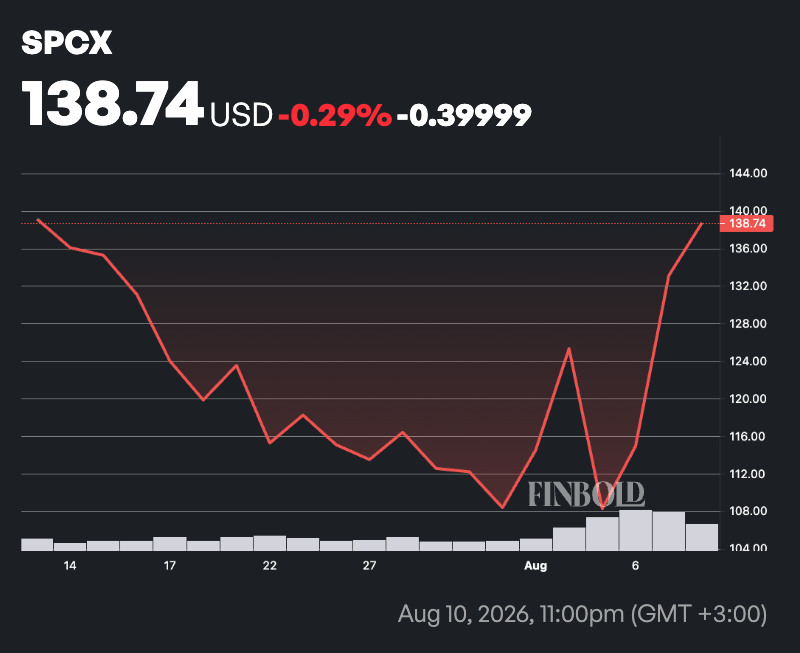
SpaceX shares initially surged after the IPO, reaching highs near $226 before retreating amid valuation concerns and heavy spending plans.
The first major lockup expiration on August 6 also supported the recovery. Approximately 911.5 million shares became eligible for trading, but the anticipated wave of insider selling failed to materialize, helping fuel a multi-day rally.
SpaceX fundamentals
SpaceX’s first earnings report as a public company further supported the rebound. Second-quarter revenue surged 92% year-over-year to $7.81 billion, beating estimates of about $6.9 billion, while its net loss narrowed to $541 million and adjusted EBITDA rose to approximately $3.5 billion.
Starlink remained the company’s largest and most profitable segment, while its AI business generated about $2.56 billion in revenue. SpaceX also reported progress in its launch operations, including successful Starship flight tests and continued commercial expansion.
However, the company’s aggressive spending plans continue to divide investors.
In this line, SpaceX spent approximately $18.4 billion during the quarter, largely on AI infrastructure, and expects elevated capital expenditures to continue as it expands capacity.
The company is targeting a $100 billion annualized recurring revenue run rate by the end of 2026, driven by Starlink, AI services, and future Starship commercialization.
Some investors remain cautious about the scale of spending required to achieve those goals, particularly given the company’s high valuation relative to current revenue.
Featured image via Shutterstock