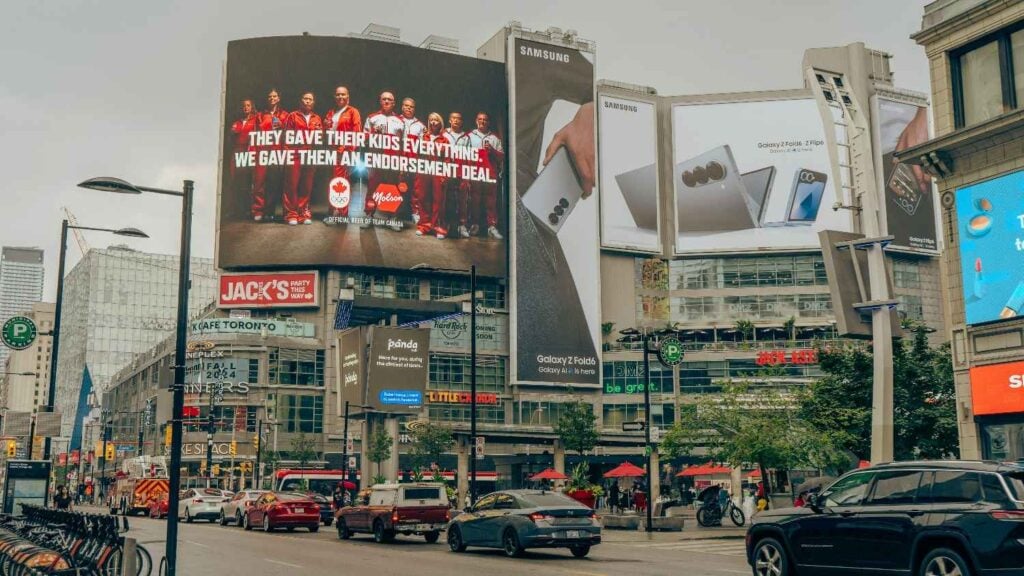
Ontario’s betting ads look familiar, but strict rules sit underneath, dictating what operators can say and what players actually see.
Sports betting ads are easy to spot across Ontario, from hockey broadcasts to mobile apps. The market opened in April 2022, and licensed operators moved in after that. Single-event betting became legal in August 2021, which set the stage for what followed. By 2025, the Ontario market was handling around $12 billion in sports wagers. At the same time, the rules around advertising got stricter. Public messaging is limited, and recent enforcement shows those limits are taken seriously.
Advertising is visible, that is its entire point, but what you are seeing is only part of the system. Ontario does not allow operators to promote sign-up offers or similar incentives in public channels. That includes TV, billboards, and general online advertising. The offers exist, but they sit behind controlled entry points rather than in open view. That gap between visibility and restriction is where most of the confusion starts.
A recent case makes that clear. BetMGM was fined $110,000 after promoting a $100 sign-up offer in a public setting, which breached provincial rules. The campaign brought in 377 new users, and affiliates linked to the activity earned $127,180 in commission. The regulator treated it as a direct violation, and the fine followed. Operators are also responsible for third-party marketing, which means affiliates fall under the same rules.
This is not unusual for Ontario. The province tends to build systems where participation is allowed, but conditions are set in advance. Energy planning follows a similar pattern, with 14 new solar and wind projects approved under long-term contracts that define pricing and delivery from the outset. The structure comes first, and the market operates inside it.
Regulation Defines What You Actually See
Sports betting advertising did not tighten in isolation. Exposure across sport has grown fast, with branding, odds displays, and integrated segments becoming part of the viewing experience. A single weekend of live sport can include thousands of gambling references, which changes how familiar it feels to the audience.
Ontario responded with a set of changes that came into force on February 28, 2024. Athletes, celebrities, and influencers can no longer be used in gambling ads, unless the message is about responsible play. The threshold for content that appeals to minors also became stricter, moving from “primarily” to “likely” to appeal. That change lowers the bar for enforcement.
These rules sit alongside the earlier restriction on public inducements. Together, they narrow what an operator can show in open advertising. The result is a cleaner public message, but also one that leaves out key details.
You may see a brand name during a broadcast, yet the actual incentives tied to that brand are kept elsewhere.
There is also a second layer coming into view. A national advertising code came into effect on January 1, 2026, bringing a shared standard across provinces. It focuses on transparency, social responsibility, and clear boundaries around messaging. That adds another level of oversight to what operators can say and where they can say it. Ontario already had strict rules in place, and this new layer reinforces them rather than replacing them.
Other regulated areas in Ontario follow a similar approach. Alcohol consumption in provincial parks has expanded beyond campsites into beaches and day-use areas, but still sits inside defined zones with age limits and signage. Access grows, but boundaries remain clear.
Where Players Actually Encounter Offers
Public ads now act more as a front door than a full explanation. The detail sits behind account logins, email communication, or dedicated comparison spaces. That is where the structure becomes visible, including staged credits, qualifying conditions, and time limits.
Looking through a breakdown of the best sportsbook promos for Canadian players on Sportsbookreview.com shows how those offers are set up across different operators. The headline numbers tend to hide the mechanics underneath. Some offers depend on a first wager being placed, others release credits in steps, and most carry minimum odds or expiry windows that forms the basis of how they are used.
That creates a different experience from what the ads suggest. The public message stays simple, while the real detail sits one layer deeper. It keeps advertising within the rules, and it leaves players to decide whether to look further. In practice, it means a lot of the decision-making happens after the first click, not before it.
That gap is deliberate. Ontario allows a wide market, with dozens of licensed operators active at the same time, but it controls how they present themselves in public. Visibility remains high, yet the rules keep certain details out of open advertising. For anyone following the space, it explains why ads feel familiar, while the fine print tends to sit somewhere else.
Please gamble responsibly. Set limits before you start, keep betting within your means, and take breaks where needed. Support is available if gambling stops feeling like entertainment and starts affecting daily life.