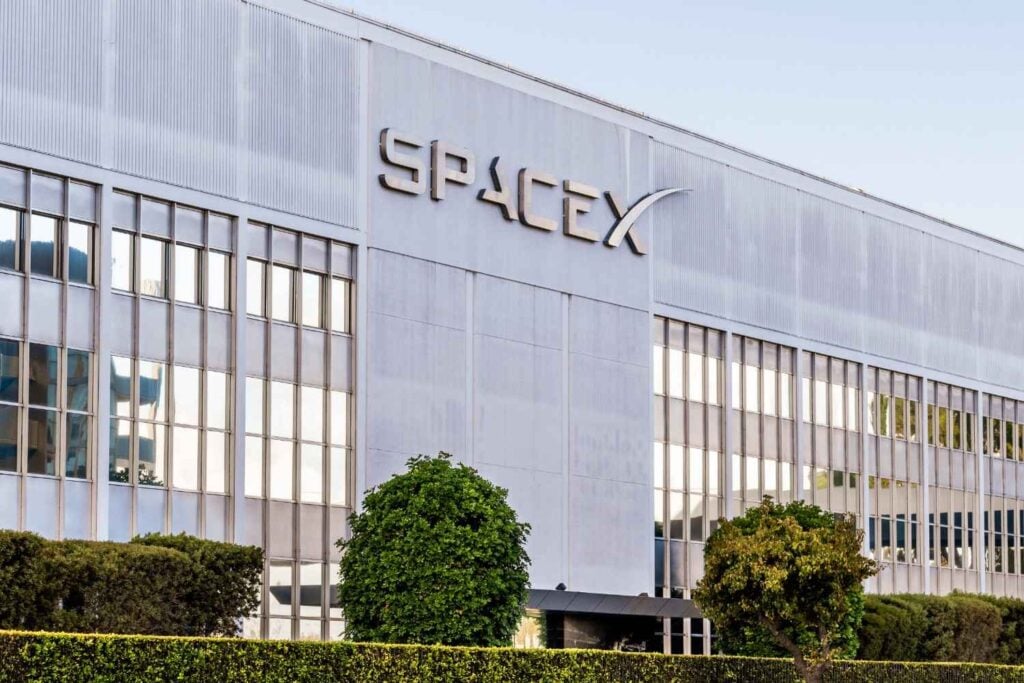

Following the explosive initial rally, SpaceX (NASDAQ: SPCX) stock plunged 21.88% in the last week of trading and erased all of the gains it had made since hitting the public markets.

Indeed, SPCX shares started trading at $150 on June 12 and ended the session 7.3% higher at $160.95. Over the subsequent four days, they soared another 50.43% to the all-time high (ATH) at $225.64, only to suddenly reverse.
By press time on June 23, SpaceX stock is changing hands at $156.64 – 2.68% below the June 12 close, and 30.58% lower than the ATH reached only a week earlier.
Why SpaceX stock erased almost all gains since June 12 IPO
There are several likely culprits for the selling pressure that gripped SPCX in the second half of June. Perhaps the most obvious of these is the speed with which the equity initially soared.
Specifically, a trader who managed to fill a $1,000 order at the IPO price of $135 would have had a position worth $1,671.41 at SpaceX’s peak less than a week after the firm went public, thus presenting an exceptionally enticing selling opportunity.
Notably, several analysts, including Jim Cramer, warned already on June 12 that it would not be beneficial for SPCX shares to soar too swiftly, as such a move would disincentivize investors from holding on to their positions.
Another possibility might be that, with the initial hype arguably faded, buyers and sellers reflected more on the SpaceX financials, which show that the company’s revenue in the first quarter (Q1) amounted to less than $5 billion and that the company is operating at a loss.
Amazon (NASDAQ: AMZN) – a company that was briefly smaller than Elon Musk’s newer public firm in terms of market capitalization – recorded more than $180 billion in sales during Q1.
Under the circumstances, SpaceX can, at its IPO valuation, be viewed as much as a meme stock as a legitimate business heavily involved with the U.S. government.
Can SpaceX stock rally in July?
Elsewhere, SPCX shares’ fortunes are likely to reverse once again later in the summer.
Given the low float and the various roadblocks to selling that are to remain in effect in the coming months, it is unlikely the firm’s equity can retrace far enough to lose eligibility for fast-track inclusion into the Nasdaq-100.
Under the circumstances, even if the mood of individual investors sours further, index funds will soon be forced into automatic buying of SpaceX shares, all but guaranteeing at least temporary tailwinds.
Looking even further ahead, assessing how SPCX stock might fare becomes even more difficult.
On the one hand, major banks have come out forecasting the firm’s revenue could grow into hundreds of billions of dollars by 2030 – for 2,400% growth or higher – and the company’s S-1 claimed there existed nearly a $30 trillion total addressable market (TAM) for SpaceX’s artificial intelligence (AI) business.
On the other hand, there remains a severe mismatch between the profitability and the valuation of Elon Musk’s newer public company, meeting revenue forecasts would require an essentially unprecedented growth rate, and AI, based on the few financials that are publicly known, remains an exceptionally contentious business.
Featured image via Shutterstock