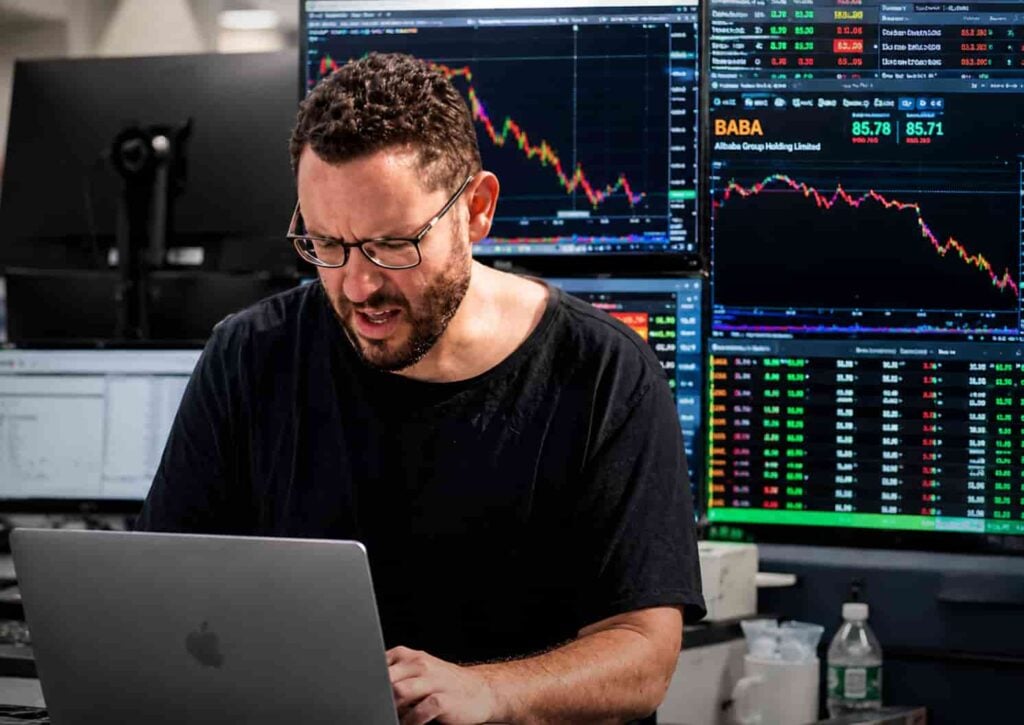

Anyone who starts researching trading education eventually runs into the same question: Does any of this actually lead to real results?
That question becomes even more common with Tim Sykes, as his name has been associated with penny stock trading education for nearly two decades. Some traders credit his material for helping them develop profitable strategies, while others argue that trading success ultimately depends more on the individual than the course itself.
The truth sits somewhere in the middle.
When it comes to his online trading education programs, it is absolutely possible for someone to improve their trading skills and potentially become profitable over time. But there is a major difference between what is theoretically possible and what most people realistically experience once real money, emotional pressure, and market volatility enter the picture.
That distinction matters because many people approach trading education with expectations that are disconnected from how difficult trading actually is.
Overview of the Trading Education Model
Tim Sykes focuses primarily on penny stock trading, a highly volatile segment of the market built around low-priced stocks that can move aggressively in short periods.
His educational material revolves around:
- chart pattern recognition
- momentum analysis
- short-selling setups
- risk management
- trader psychology
The platform itself is structured around video lessons, live trade commentary, alerts, webinars, and archived educational content. More advanced programs also include access to Profit.ly, where users can share verified trades and publicly track performance.
One thing that sets the platform apart from pure “signal services” is its emphasis on self-directed learning. The material consistently pushes students to understand why trades are being taken rather than blindly copying alerts.
That does not necessarily make the process easier, but it does make the educational approach more sustainable in the long term for traders who are willing to study seriously.
Why Trading Outcomes Vary
Two traders can study the same material, watch the same lessons, and still end up with completely different outcomes.
That variation is not unique to trading education. It exists in nearly every skill-based field. The difference is that trading introduces financial and emotional pressure that exposes weaknesses very quickly.
Several factors influence results:
- starting capital
- emotional discipline
- consistency
- time commitment
- ability to manage losses
Someone studying casually for a few hours each month will not have the same experience as someone who treats trading as a structured skill-development process.
The size of an account also significantly affects the experience. A trader managing a small account faces restrictions and psychological pressures that someone with larger capital may not experience to the same extent.
Even with strong educational material, performance ultimately depends on execution under real market conditions.
Why Most Traders Fail (Industry-Wide)
The reality is that most traders struggle to achieve long-term profitability, regardless of which course, mentor, or platform they use.
According to the Financial Industry Regulatory Authority (FINRA), the majority of active traders incur losses over time, and only a small percentage consistently maintain profitability over multiple years.
That statistic is important because it reframes expectations.
Many beginners assume trading failure comes from finding the “wrong strategy” or “wrong educator.” In reality, most losses come from poor execution, emotional decision-making, lack of discipline, and inconsistent risk management.
Tim Sykes has generally been direct about this reality. His content repeatedly emphasizes preparation, discipline, and repetition rather than shortcuts.
That approach may feel less exciting than “get rich quick” marketing, but it aligns more closely with how trading actually works in practice.
What Successful Traders Do Differently
The traders who eventually become consistent usually approach trading very differently from beginners.
Many of the better-known students associated with the platform spent months studying before risking meaningful capital. They tracked trades carefully, reviewed mistakes constantly, and focused heavily on preserving capital as they learned.
Several patterns tend to repeat among profitable traders:
- cutting losses quickly
- avoiding emotional revenge trading
- focusing on repeatable setups
- studying historical examples extensively
- prioritizing consistency over large wins
Perhaps most importantly, successful traders tend to treat trading as a long-term skill rather than an immediate source of income.
That mindset shift changes how risk, patience, and progress are handled.
The traders who eventually become consistent usually approach trading very differently from beginners.
Many of the better-known students associated with the platform spent months studying before risking meaningful capital. They tracked trades carefully, reviewed mistakes constantly, and focused heavily on preserving capital as they learned.
Several patterns tend to repeat among profitable traders:
- cutting losses quickly
- avoiding emotional revenge trading
- focusing on repeatable setups
- studying historical examples extensively
- prioritizing consistency over large wins
Perhaps most importantly, successful traders tend to treat trading as a long-term skill rather than an immediate source of income.
That mindset shift changes how risk, patience, and progress are handled.
Common Misconceptions About “Making Money”
One of the biggest misconceptions in trading education is the belief that buying a course should directly lead to profitability.
Educational platforms do not automatically generate profits. What they can do is shorten the learning curve, provide structure, and help traders avoid common mistakes.
The actual results still depend on how effectively someone applies the material.
There is also a recurring criticism that educators who earn substantial revenue from teaching somehow invalidate the value of their lessons. In reality, that dynamic exists across many industries.
Coaches, instructors, and consultants often earn more from education than direct participation in the field itself. That alone does not determine whether the educational content is useful.
When it comes to learning how to trade, what matters most is whether the material improves decision-making, risk management, and market understanding over time.
The Role of Discipline, Time, and Risk
Penny stocks are extremely volatile. Prices can move aggressively within minutes, liquidity can disappear quickly, and emotional decision-making becomes amplified under pressure.
That volatility creates opportunity, but it also substantially increases risk.
This style of trading requires:
- emotional control
- patience
- strict risk management
- willingness to study continuously
For many people, the emotional side becomes harder than the technical side. Sticking to a strategy after losses, avoiding impulsive trades, and managing risk consistently are often what separate long-term survivors from short-term participants.
The educational material can provide structure, but it cannot remove the psychological pressure that comes with trading real money.
Who This Approach May Work For
This kind of trading education tends to fit people who are naturally curious about markets and don’t mind spending long hours reviewing charts, studying old trades, and learning through repetition. It also helps if you’re comfortable with the idea that progress in trading is usually slow at the beginning.
Someone who enjoys analyzing patterns, keeping notes, and improving gradually will probably get more out of the platform than someone looking for quick results. The same goes for traders who prefer learning from real examples and active market commentary instead of purely theoretical lessons.
It’s also more suitable for people who understand upfront that penny stocks are volatile and that losses are part of the process, especially early on.
Who Is Likely to Struggle
People who come into trading expecting fast or consistent income are usually the ones who struggle most.
The approach can also be frustrating for traders who rely entirely on alerts without taking the time to understand why a setup works in the first place. In volatile markets, blindly following trades often leads to emotional decisions once positions start moving quickly.
It can also be difficult for people who become overly attached to individual trades or who have trouble accepting losses. Penny stocks move aggressively, and even experienced traders get setups wrong regularly.
For someone who isn’t interested in studying consistently or treating trading as a skill that takes time to develop, this style of education probably won’t feel rewarding for very long.
Final Perspective
Can someone realistically make money using Tim Sykes’ trading education approach?
Yes, it is possible. There are documented examples of traders who have built profitable strategies after studying the material seriously and applying it consistently over time.
At the same time, trading remains extremely difficult, and most people underestimate both the learning curve and the emotional discipline required.
The platform provides education, structure, examples, and strategy frameworks. What it does not provide is guaranteed success.
For traders who approach the process with realistic expectations, patience, and strong risk management, there is genuine educational value available. For people expecting fast profits with minimal effort, the experience will likely be frustrating.
Like most forms of skill-based education, the material can help build the foundation, but the actual performance still depends on the individual applying it.
Disclaimer: The content on this site should not be considered investment advice. Investing is speculative. When investing, your capital is at risk.
Featured image via Tim Sykes.